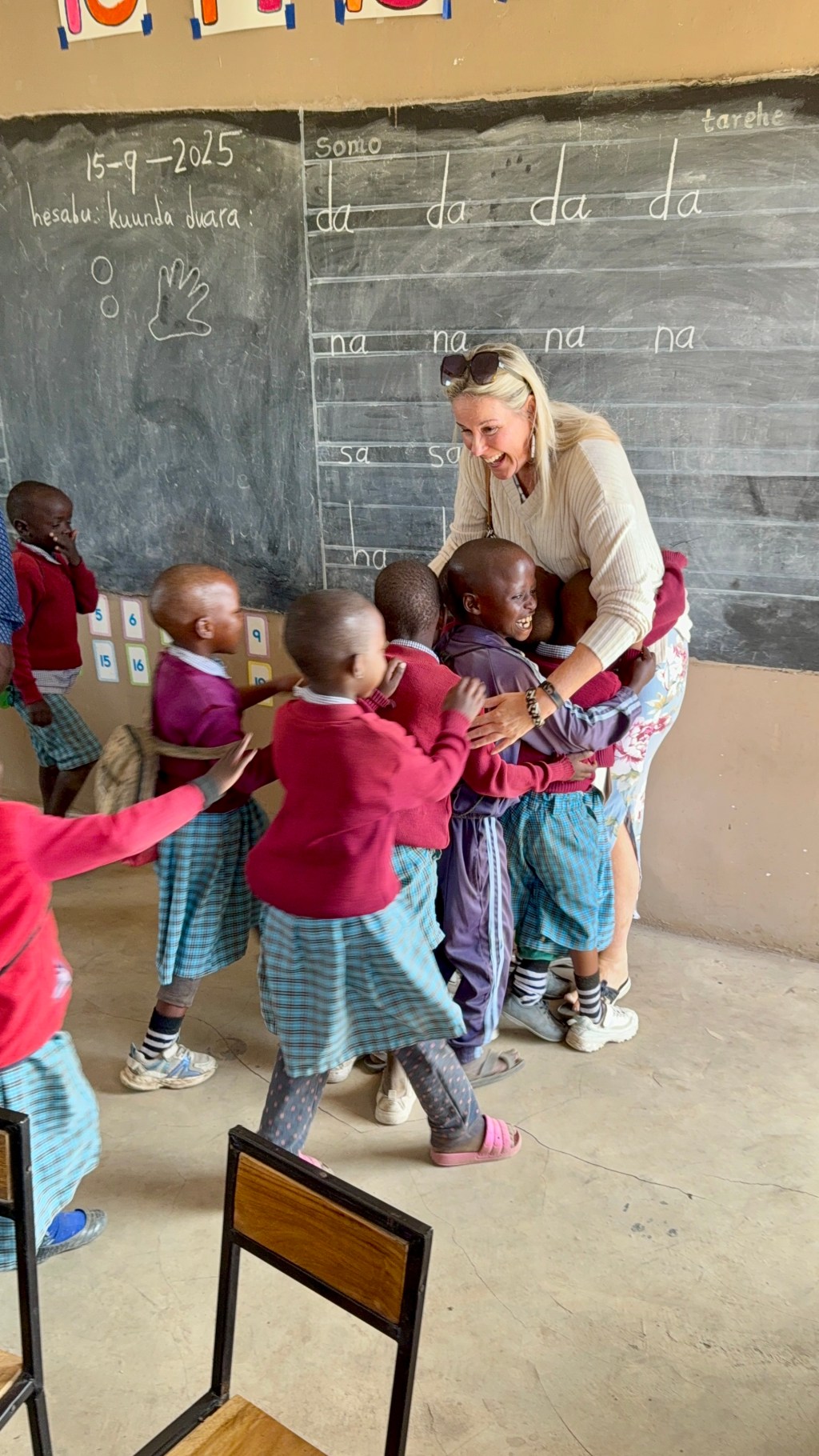
• As I mentioned in my first post, I am here because I started a nursery school almost five years ago in a little village called Losimingiori which is named for the mountain nearby. Side note: there are mountains all over Tanzania which is definitely not the first thing you think about when you think of a country in Africa, am I right? Is that just me? Anyway, this school is for preschool-aged children, 3-5 (ish), who live near Losi. Some walk many kilometers each way to get to school every morning. It’s very interesting to me as an American to see such young children walking to school every day all over villages and towns in Tanzania. They typically walk in pairs or groups with their school uniforms on. I’m talking these kids are walking on major roads (tarmac!!) and busy highways to get to school. Even my little babies walk to school in groups and go home the same way. We would never allow our kids in America to walk so far to school by themselves! In the past few years, I have started to see little, yellow school buses which drive around and pick up kids for school.

    Our school mainly focuses on teaching the students how to go to school and learning some Swahili and some English. We do follow the Tanzanian nursery school curriculum as well. We partner with the local primary school down the street, and their headmistress comes and assesses our students to see who is ready to move up each year. All of their personal children (headmistress and staff) have been educated at Namayana Nursery, so they really support our work in the community. By law, students have to start primary school at age six, and the school year starts in January and goes through December. There are three vacation times throughout the year. The first is around Easter which is the fall season here. This one is typically two weeks long. The next one is usually the month of June (or June 7-July 7-ish). The last one is around September and is also usually about two weeks long. Then they get the month of December off until the next school year starts again in January. Of course there are various holiday days sprinkled throughout the year, and this year is an election year, so they will get that day off next week. Students are not required to go through a preschool curriculum, but the headmistress has told us that she can see a difference between the ones who have and the ones who have not.
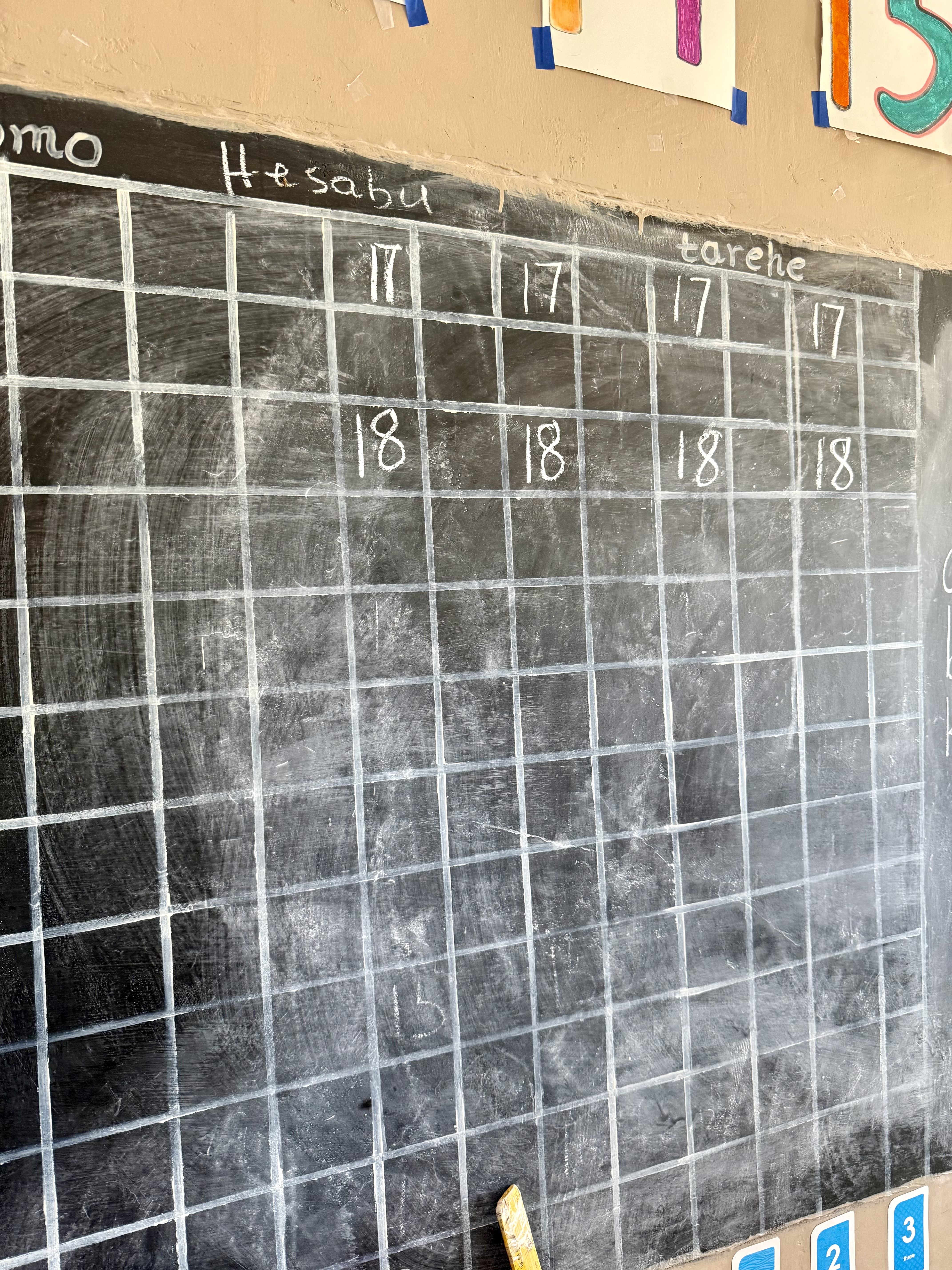
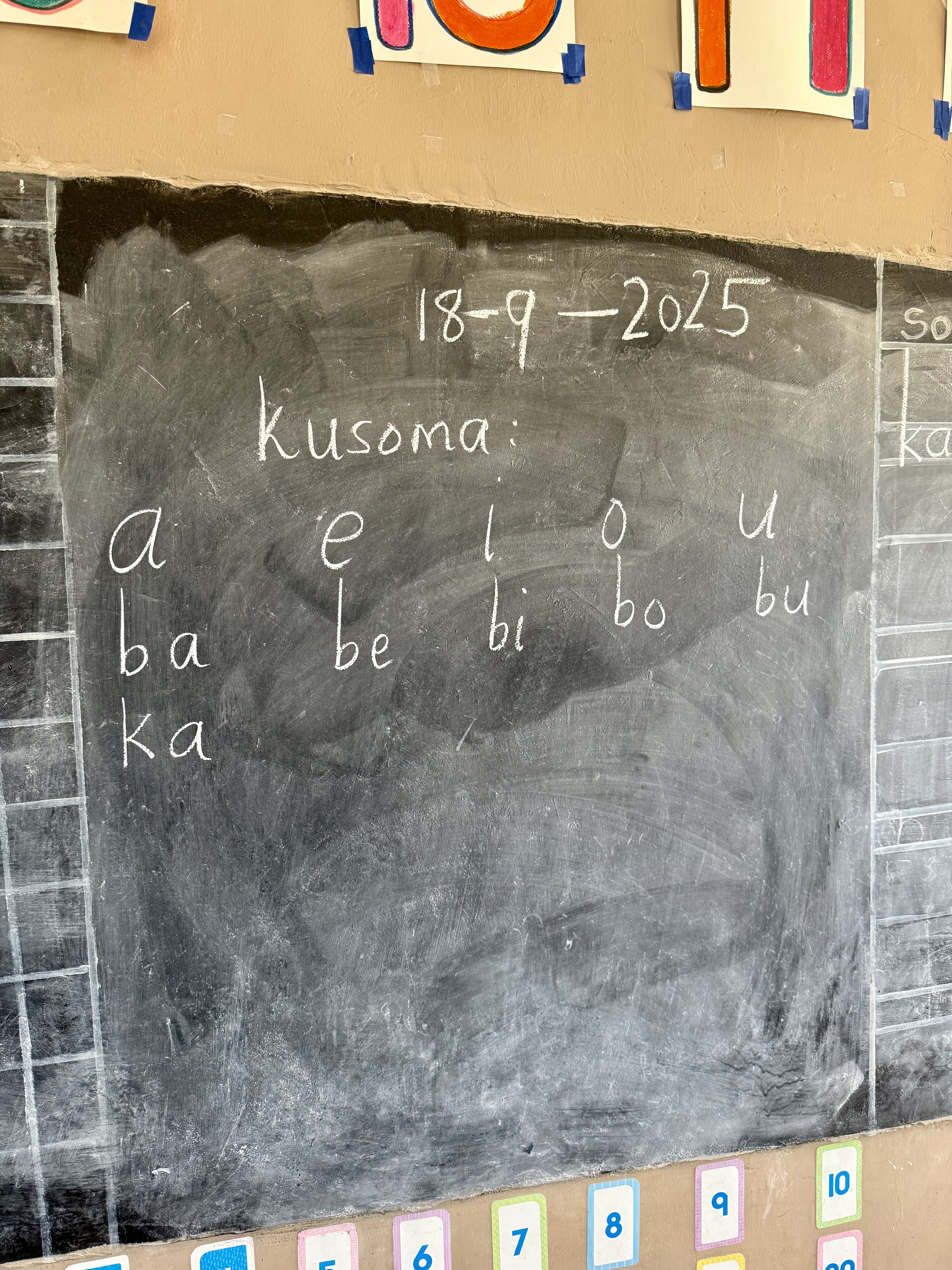
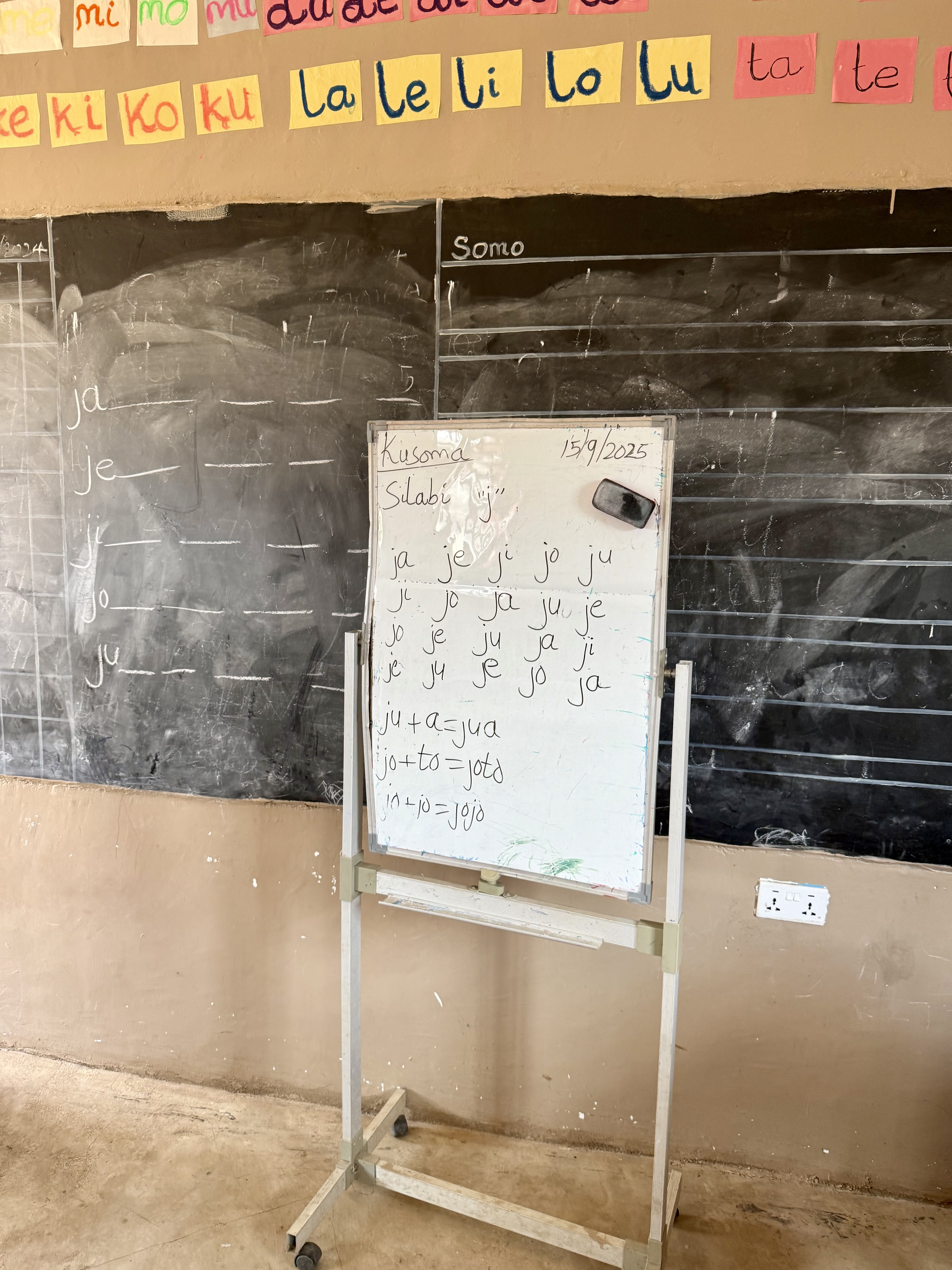
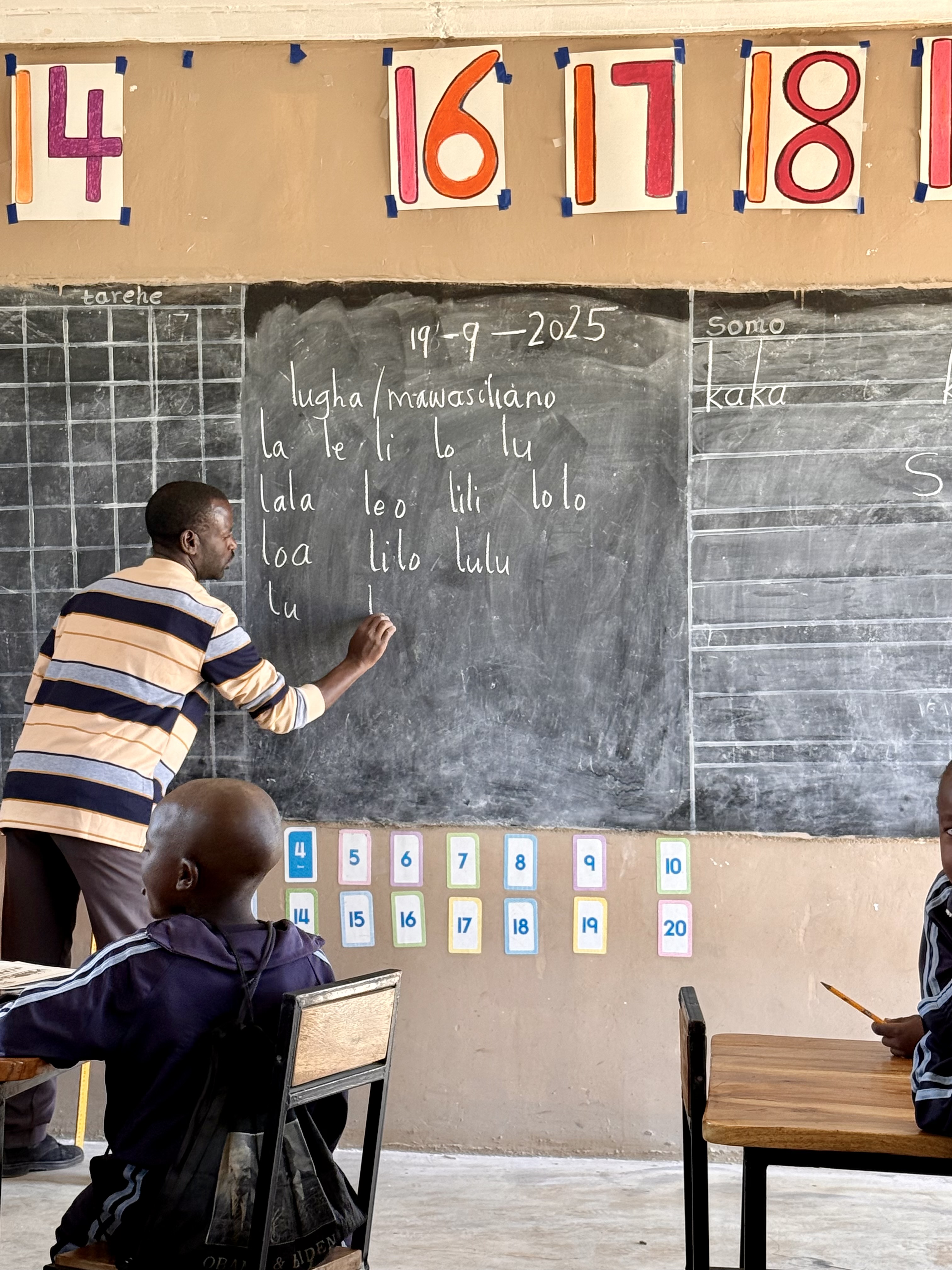
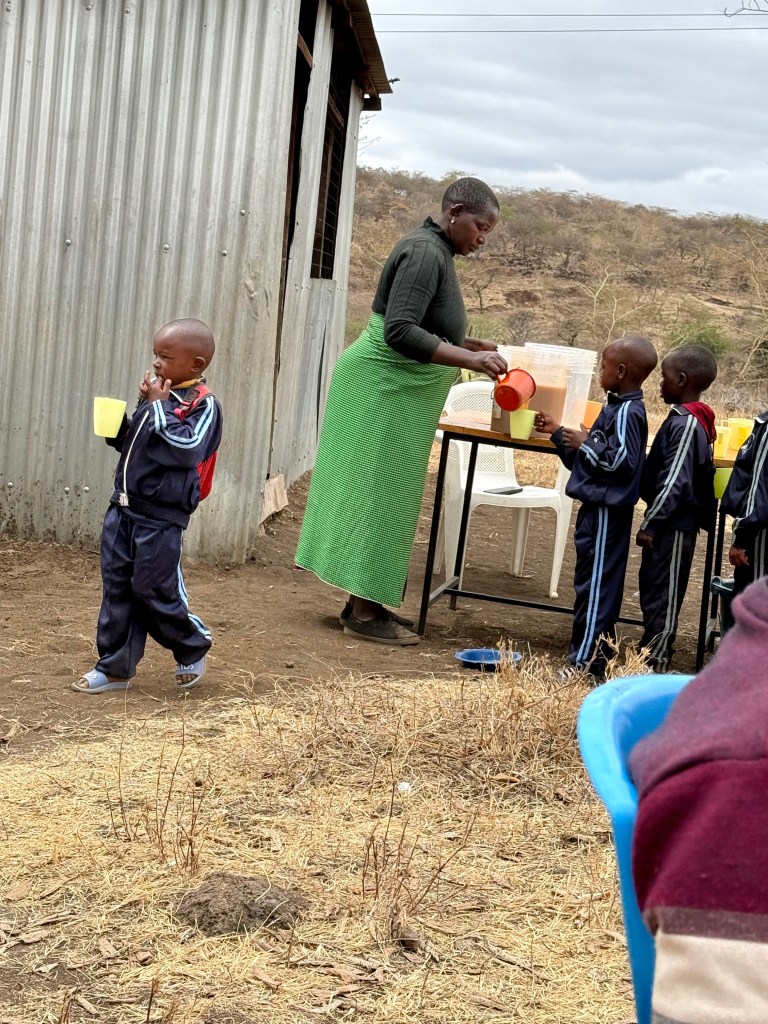
    One of the things we are striving to do as a nursery school is to instill a love of learning in our students. We purposely accept more girls than boys into our program because girls are typically not as educated as boys in the Maasai culture. Our students are learning vowel sounds and how to put sounds together to form words and numbers up to and even beyond twenty (in both Swahili and English). They even are learning some basic addition and subtraction! They learn various things about their environment like dangers to avoid: bees, fire, snakes, etc. They sing songs and play games which all enhance their learning while having fun. One of the most important things we do is feed them a nutritional porridge every day during recess time. And one of my “jobs” while I am here is to teach the kids a Bible story every week. All of this is funded through donations from people in America who believe that what we are doing in this small village will make a lasting impact on generations to come. You can follow the school on both Facebook and Instagram by searching for “The Namayana Project” or just “Namayana Project” (and there are links to our PayPal and Venmo there).

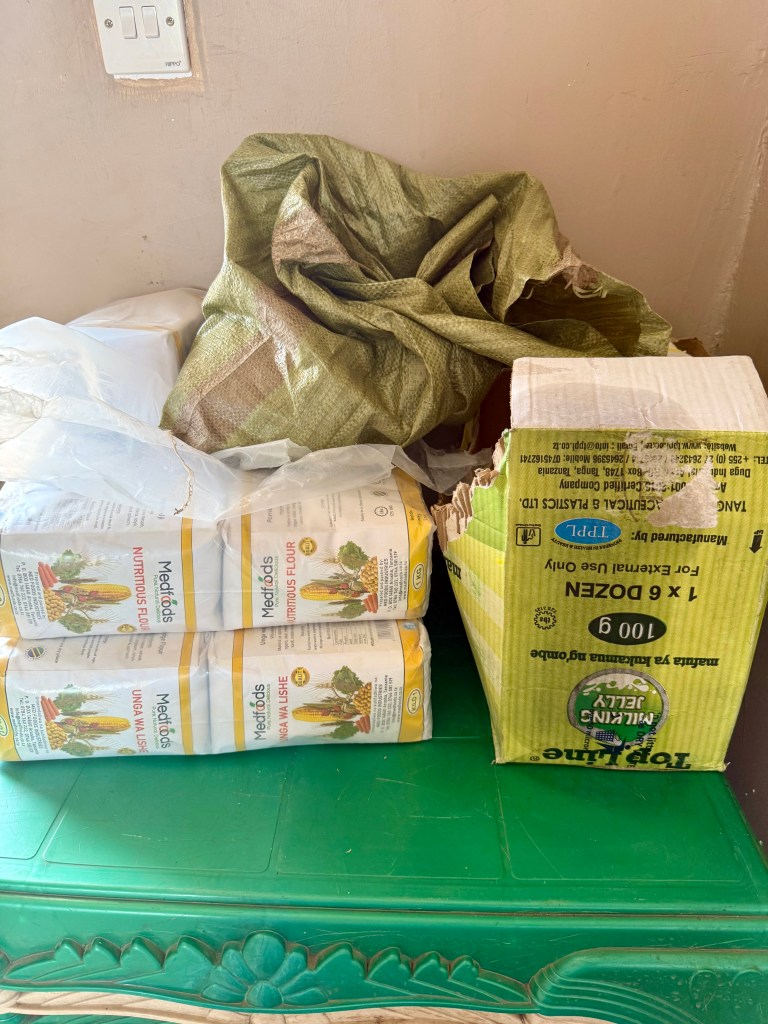
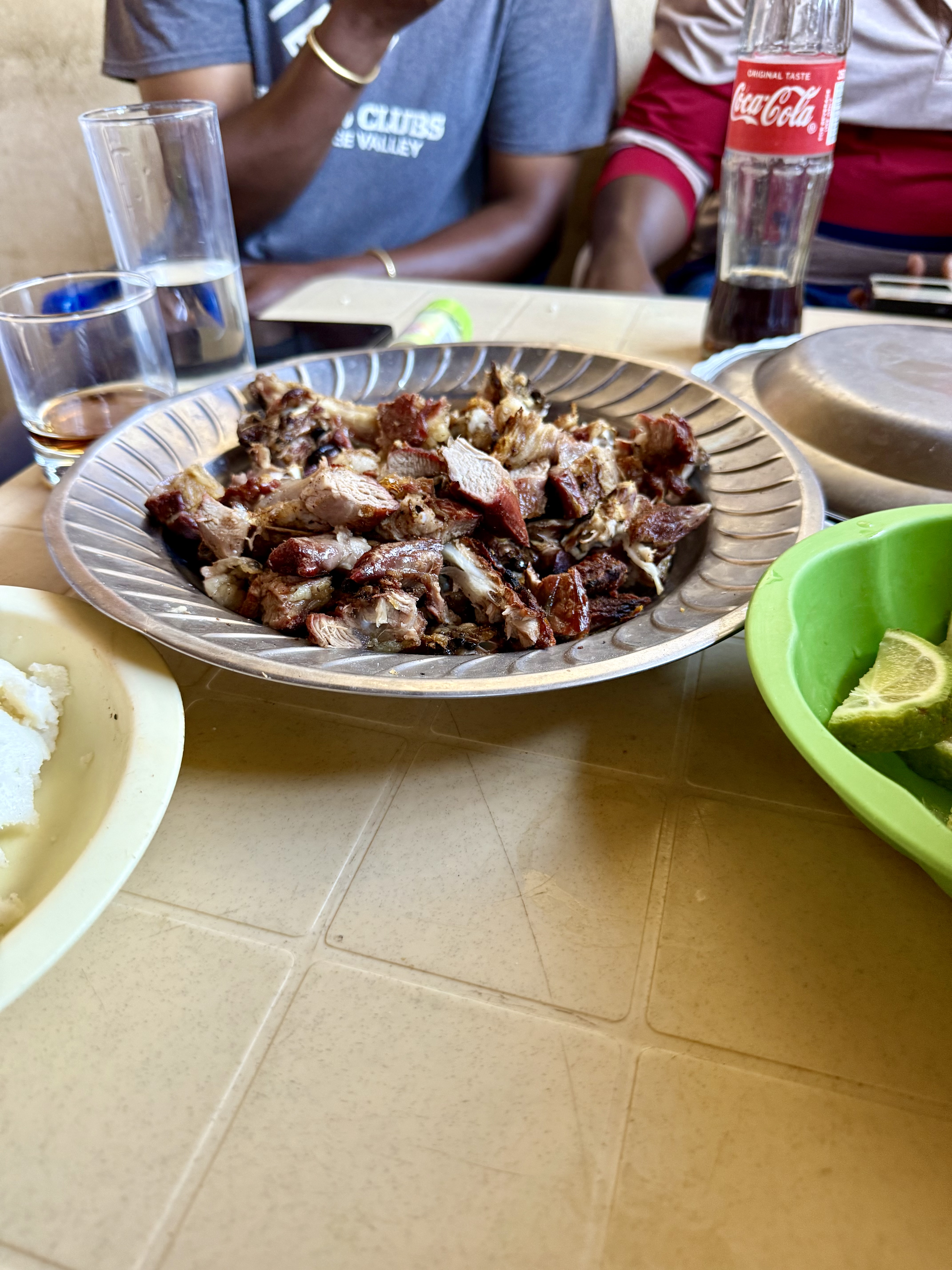
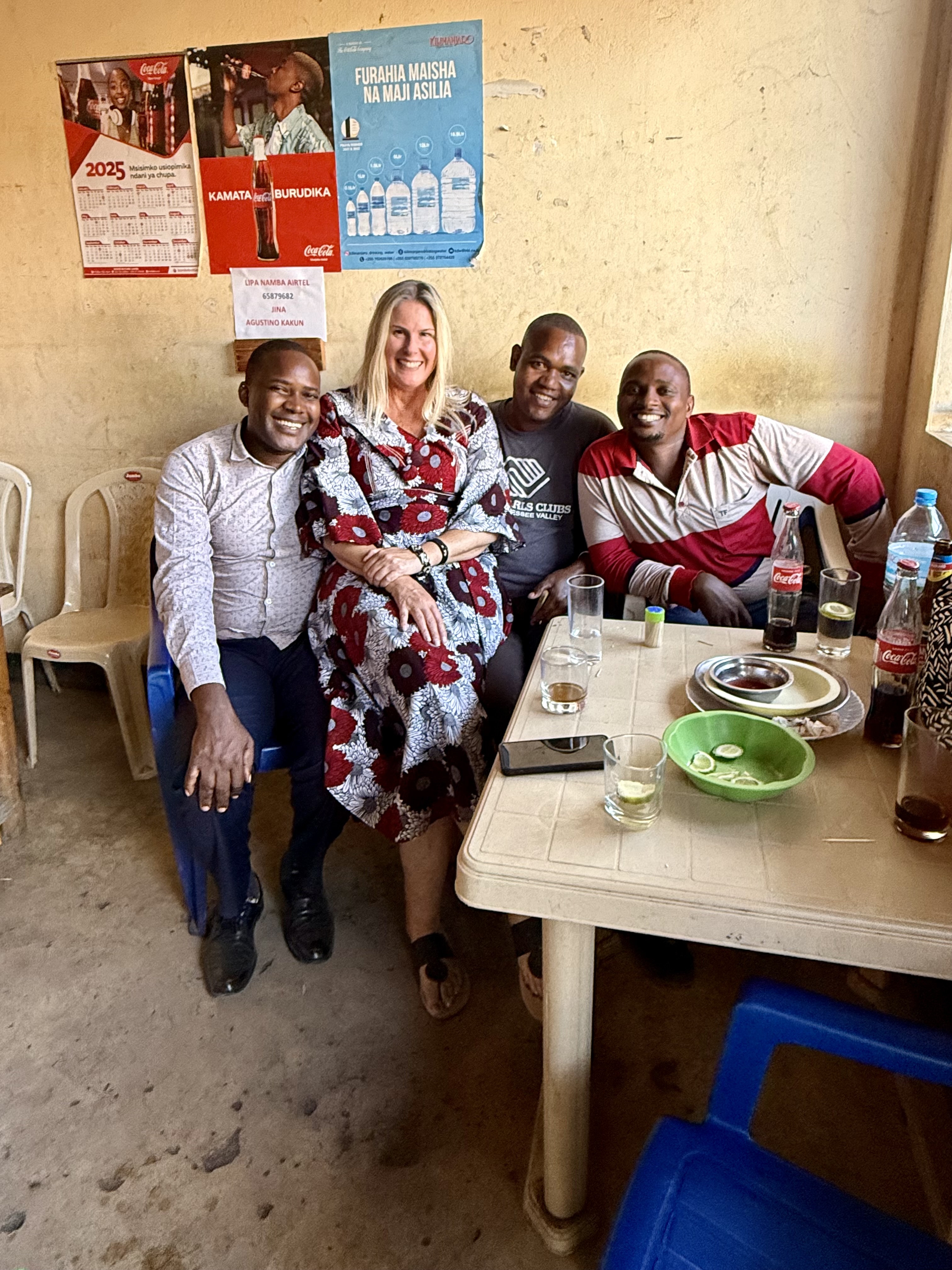
  • Today I want to talk about some of the interesting things that I see on an almost daily basis. An interesting fact about Tanzania is that each village has their own market day of the week. The town where I live, Kisongo, also has stalls set up every day along the main road, but their market is in the middle of the town which I would have never known if my friends hadn’t taken me to “eat local” last week. That is an experience unto itself! There is a butcher/chef’s area where you go and pick out the kind of meat you want (typically goat) and what cut: foreleg, back haunch, etc. Then they cook it for you. You can also order side dishes like ugali (a hominy mixture that is sort of the texture of bread dough but safe to eat) and tomato/cucumber/onion salad. Then there are little rooms set up inside and outside where you can find a table to sit and eat. These little places also offer drinks: sodas, water, and even beer, wine, or harder stuff if you want it. Once the meat is ready, they bring it to you. Well, first they bring you warm water and soap to wash your hands because you eat almost everything here with your hands and everyone eats off the same platter. Then you dig in! These types of places are much cheaper to eat in than a restaurant like Kisongo Lounge will I like to eat kuku (chicken).

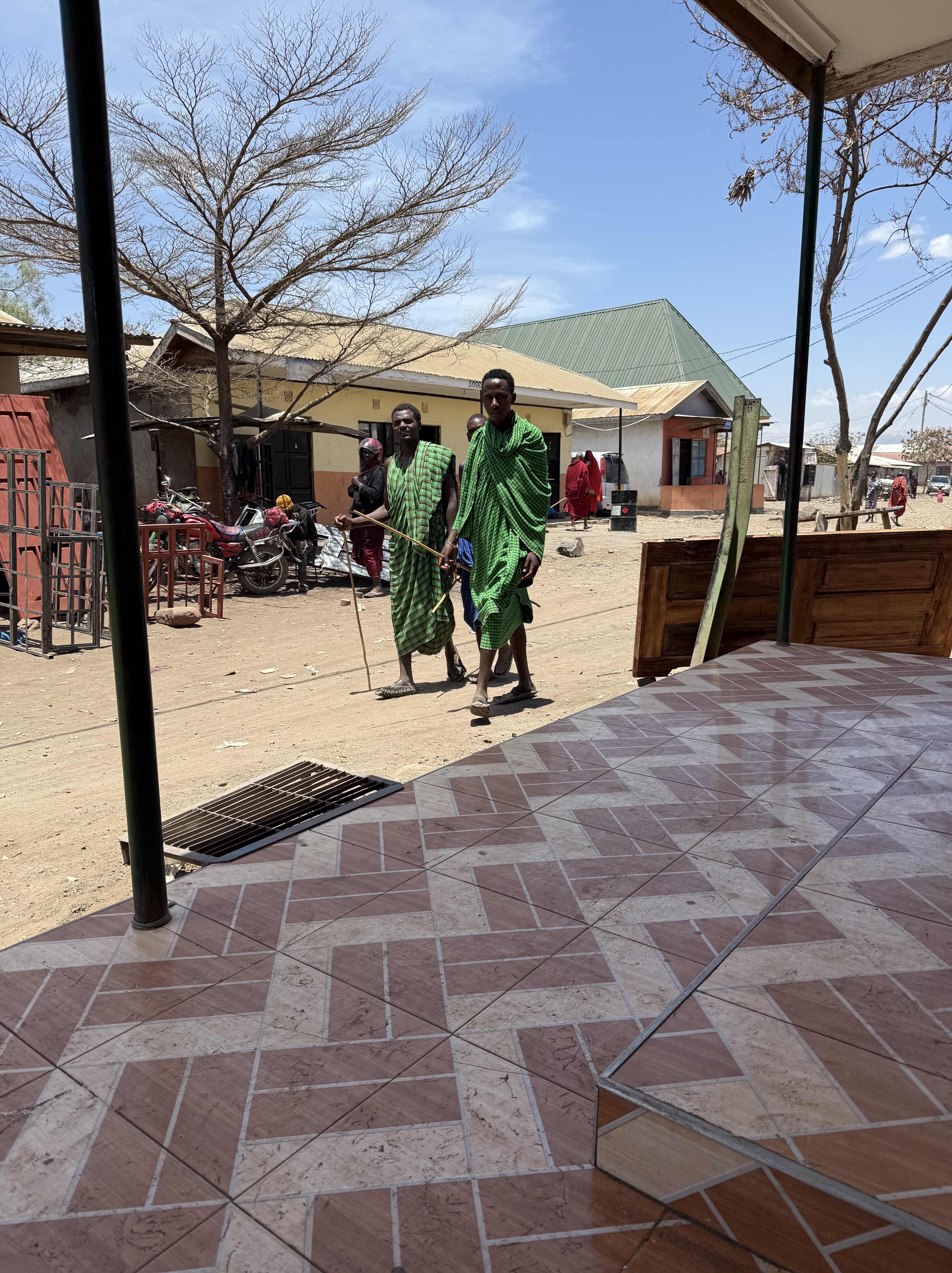
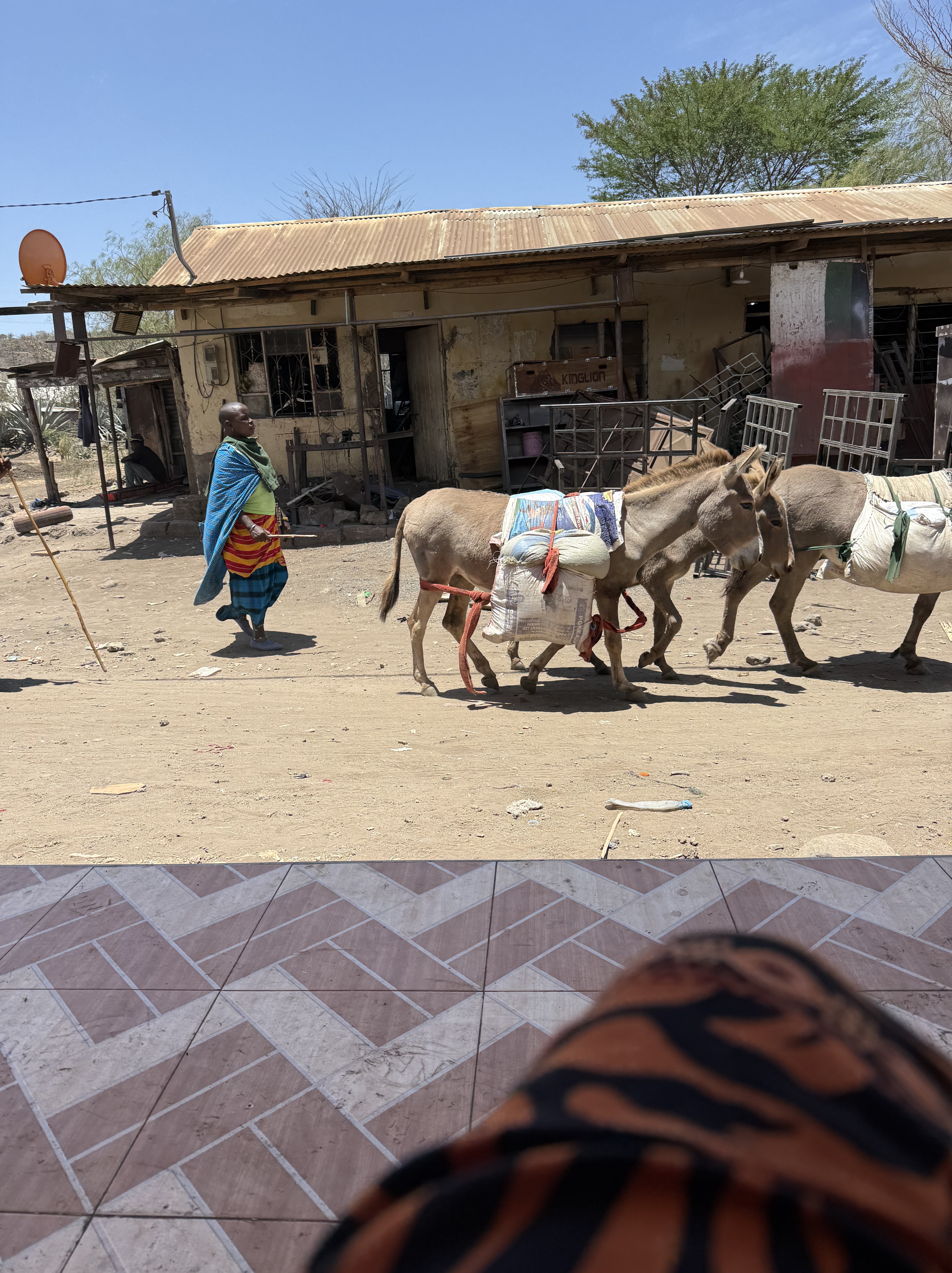
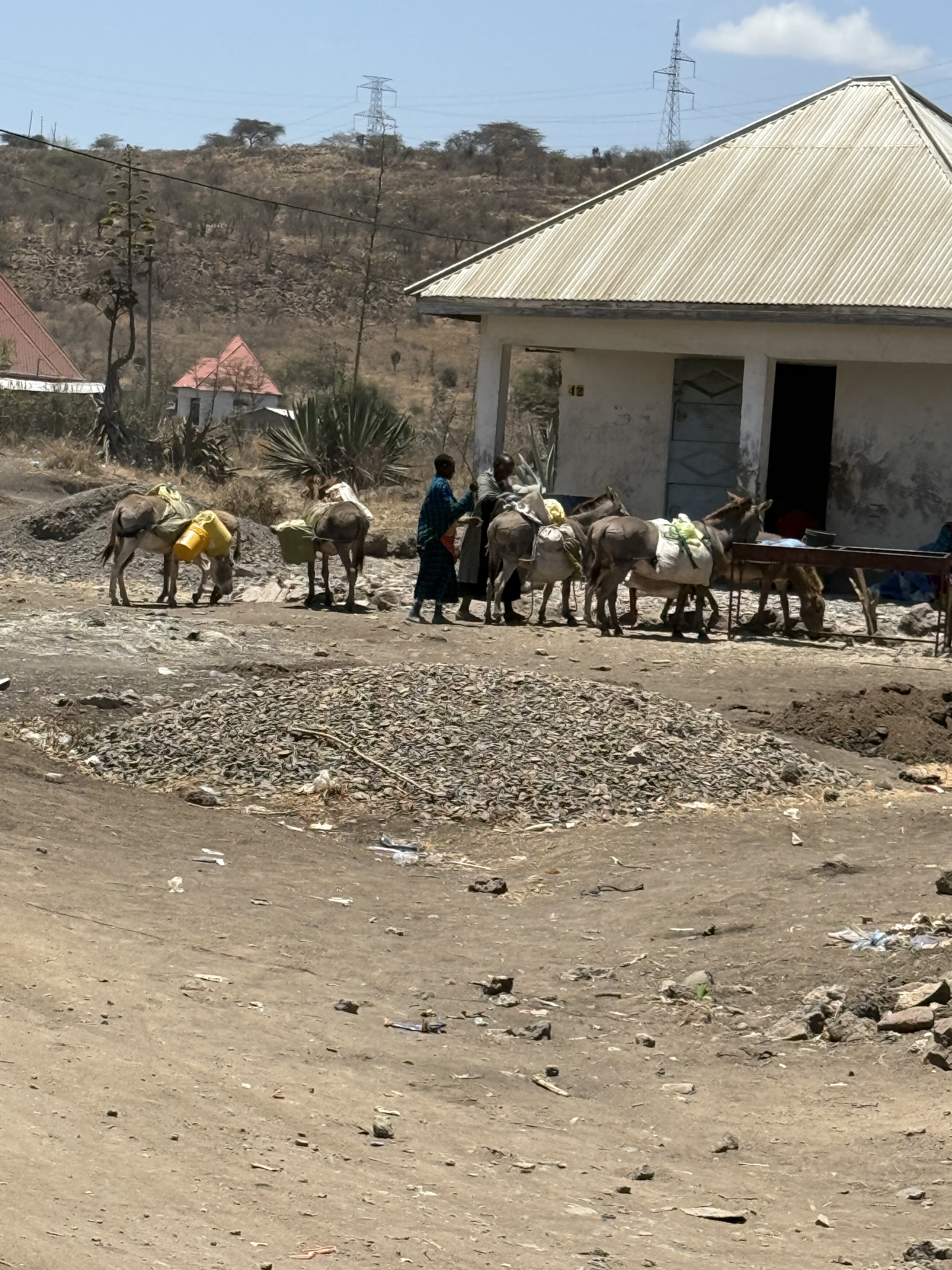
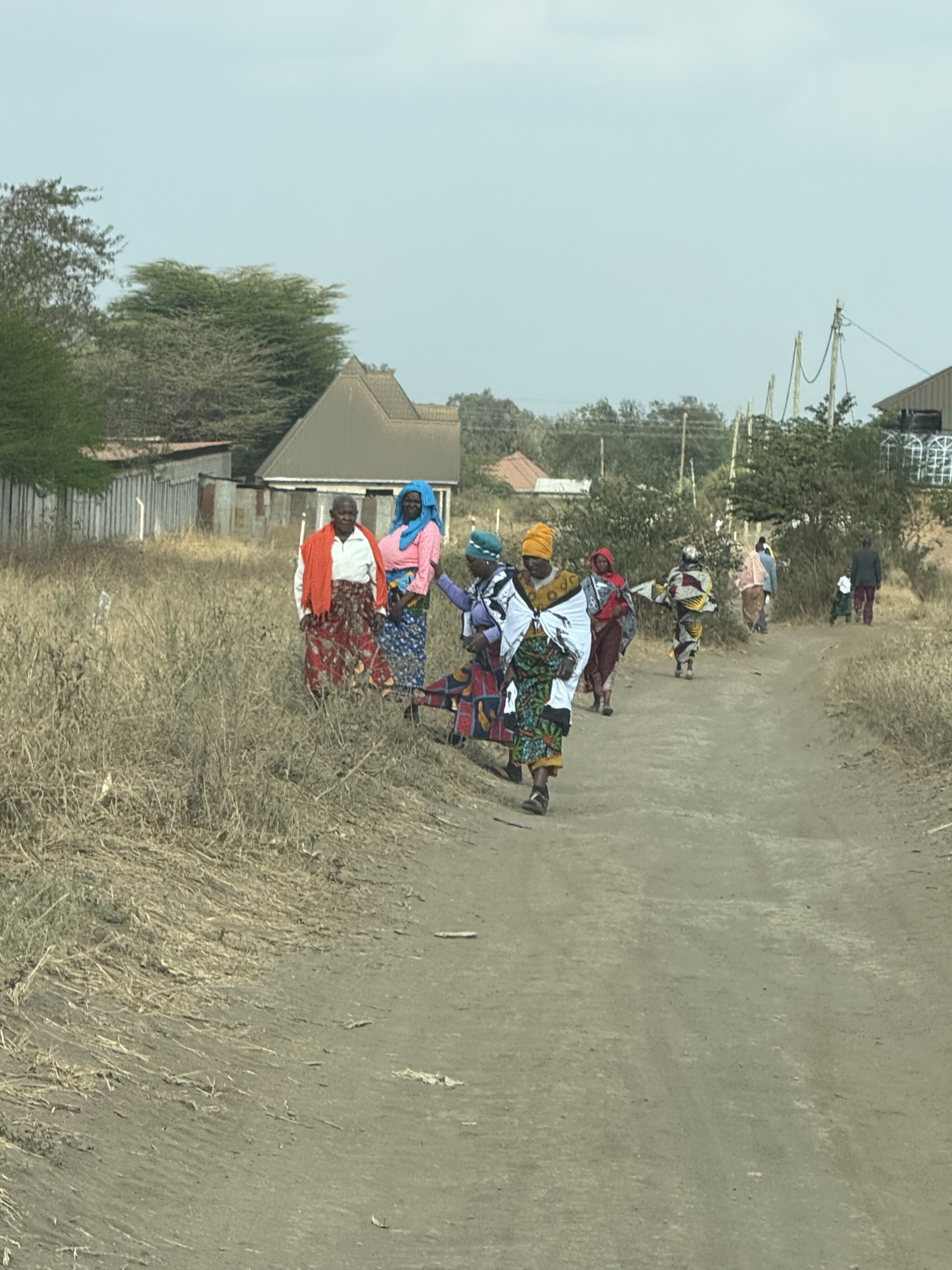
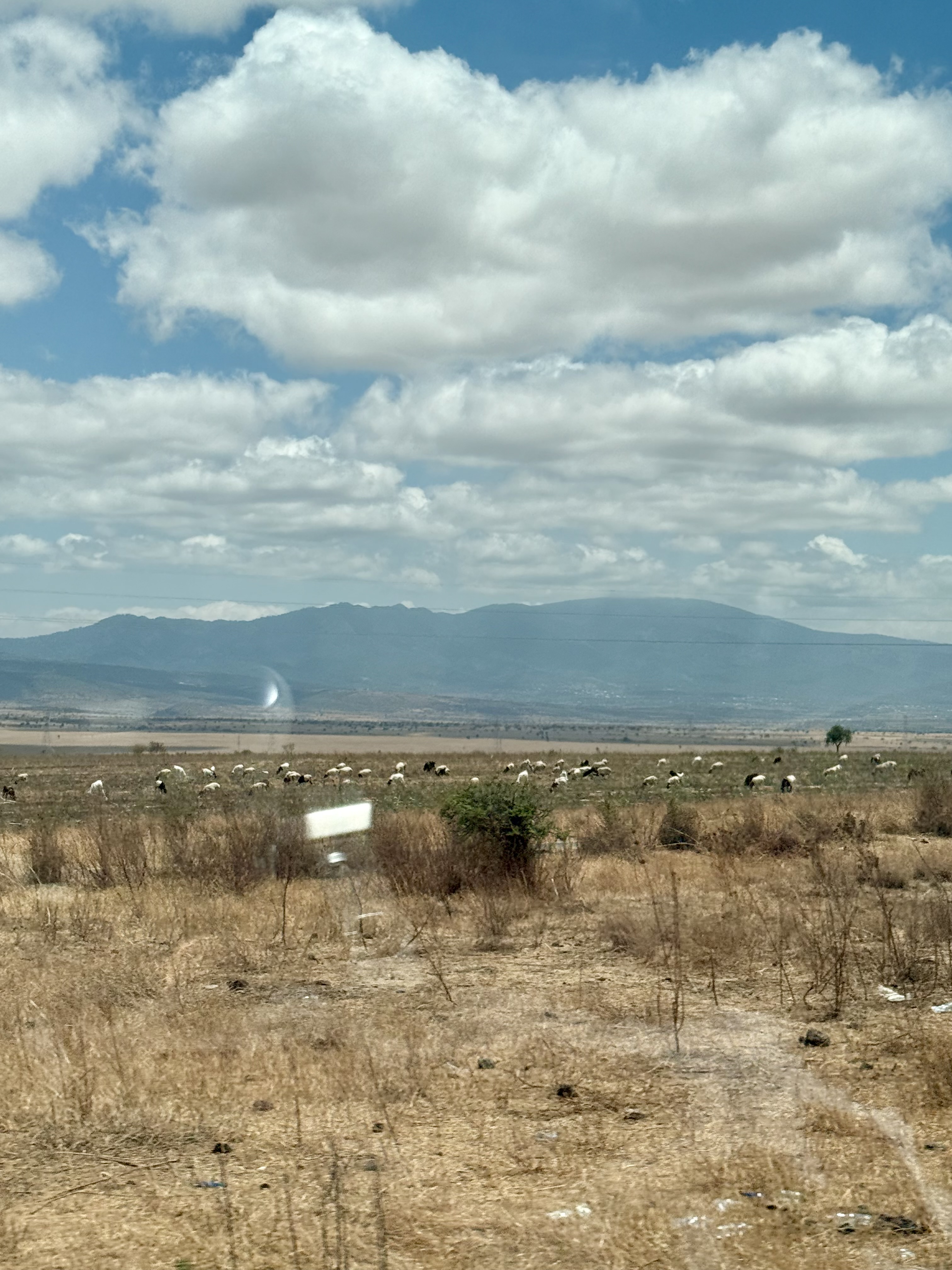
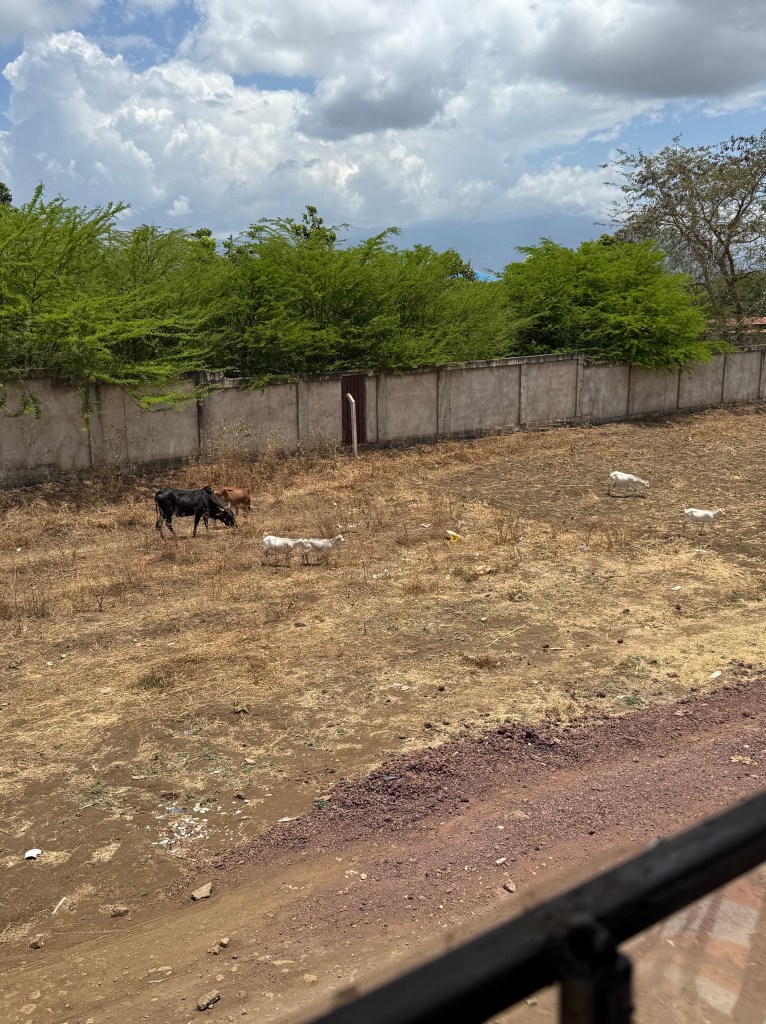
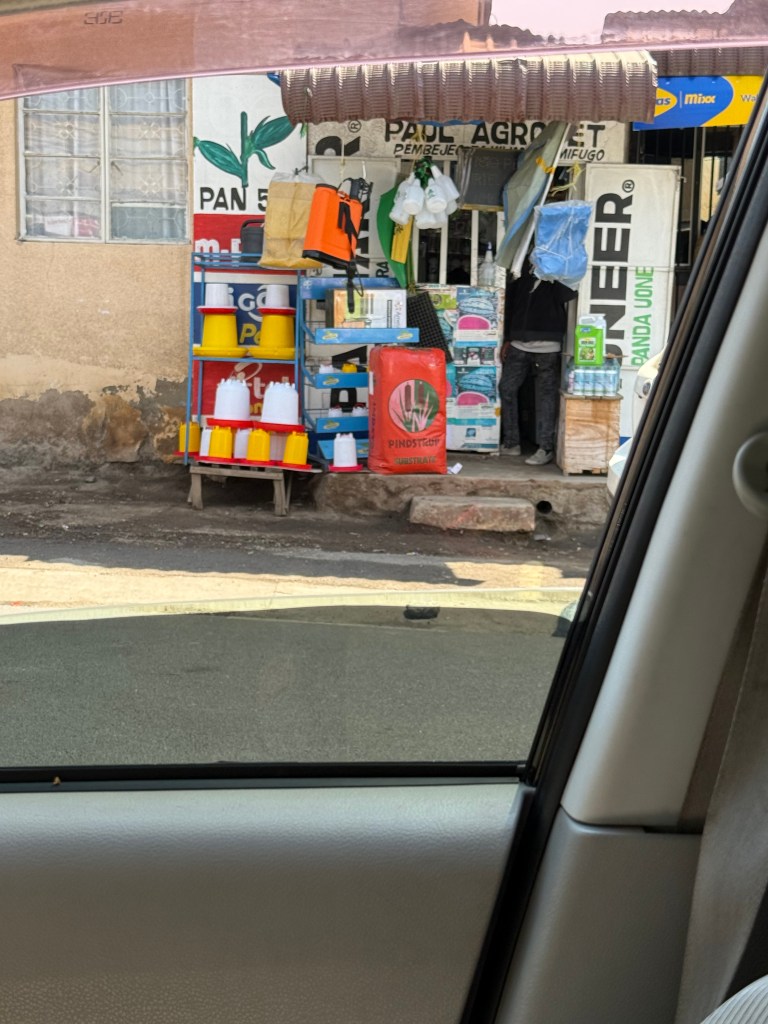
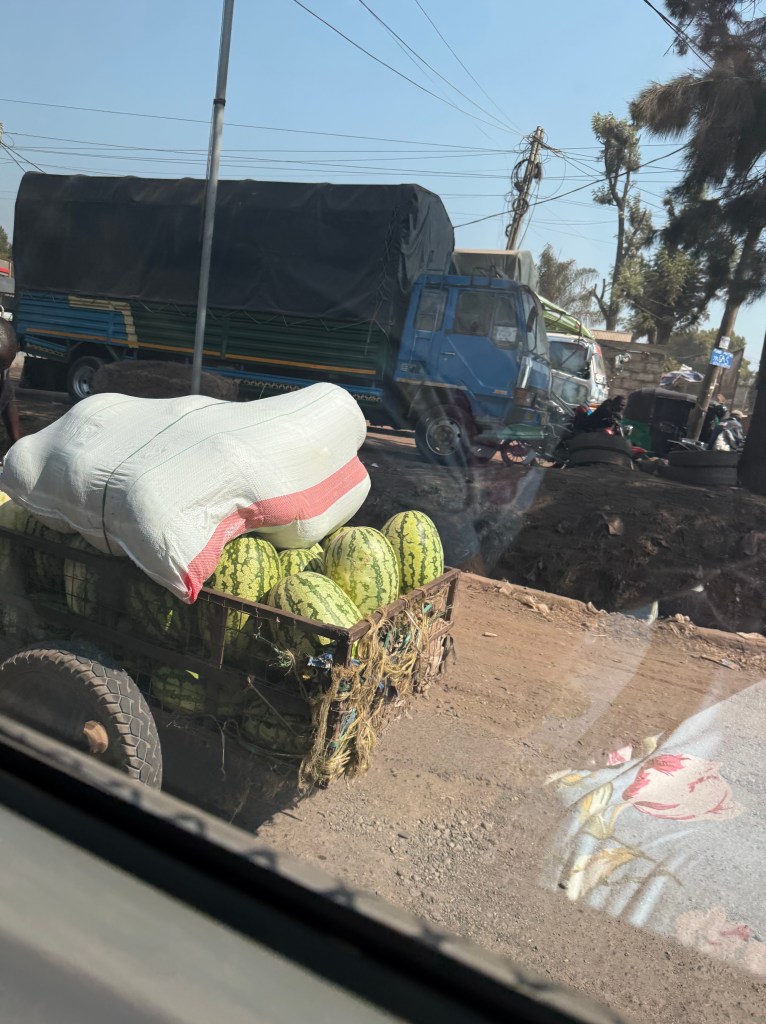
    You see so many different things as you drive along the road here! I see a lot of donkeys who seem to be wandering by themselves sometimes, but you also see them hauling water jugs. It is very dry here as the rainy season has not yet begun (although it did rain at my place the other night which brings unwelcome critters: baby mosquitoes). Because it is so dry, the people and animals have to walk a long way to get water, so they bring the donkeys to carry many jugs which will last them longer. Some walk up to and over ten miles one way to find water! I always see flocks of sheep, goats, and cattle on my drives. I wish I could take better pictures of them, but I’m in a moving vehicle on an iPhone, lol. The Maasai love bright colors, so their clothes really stand out against the dry, dusty land. It’s really exactly how you would imagine their ancestors looked one thousand years ago, but then you see them riding on a piki-piki (motorcycle) in their Maasai clothes talking on a cell phone, and you remember it is 2025.
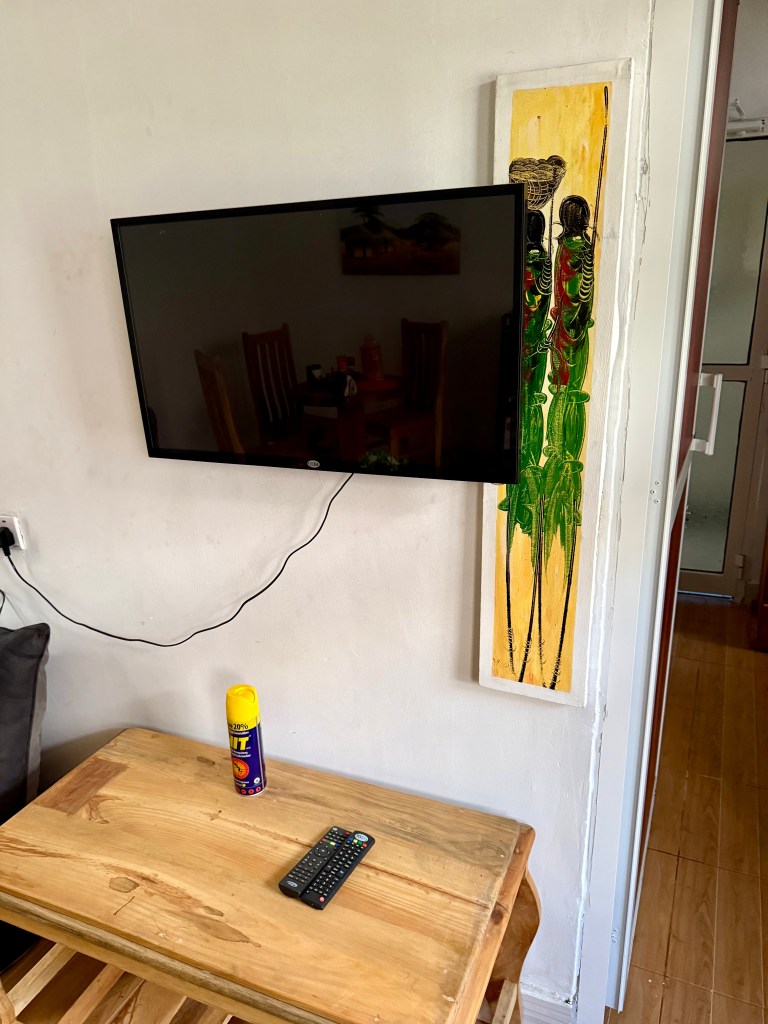
  • Okay, don’t laugh, but time really seems slower here. I don’t know if it is because I am seven or eight hours ahead of my people in America, but I feel like I am so much more productive over here. A typical day may consist of me waking up around 7:00 am, turning on the hot water heater, scrolling on my phone for about thirty minutes while the water heats, walking outside to turn on the water pressure button, THEN taking a shower. Before turning on the shower, I go ahead and wash my face at the sink, brush my teeth (using bottled water!!), and put my contacts in so I can see what I’m doing. Then I turn on the shower, rinse off, and turn it back off while I soap my body or shampoo my hair. Turn the water back on to rinse body or hair. I have learned that this lets me have hot/warm water for the entire shower. Next time you take a thirty-minute shower “just because”, think of me.

    After all of this, I finish getting ready for the day and go fix breakfast. Normally my driver comes to get me between 9:00-9:15 to drive me out to Losimingiori to visit my school which is about 45 minutes away (I think it’s around 30 miles and whatever that translates to in kilometers). I try to time my visits to arrive during porridge/recess time which lasts anywhere from thirty minutes to an hour and a half. This is preschool, after all. For them, play time is still a time to learn. (See “The Namayana Project” website: www.namayanaproject.com or on Facebook or Instagram) I typically leave there around noon when the kids are dismissed for the day. We drive back to Kisongo, and I usually go home and eat lunch. Sometimes I eat at Kisongo Lounge (if I haven’t had kuku/chicken in a while, ha ha), or we drive into “town” (Arusha). I love how they call Arusha a “town” when its population is over 600,000+ people. By this time, people in America start waking up.

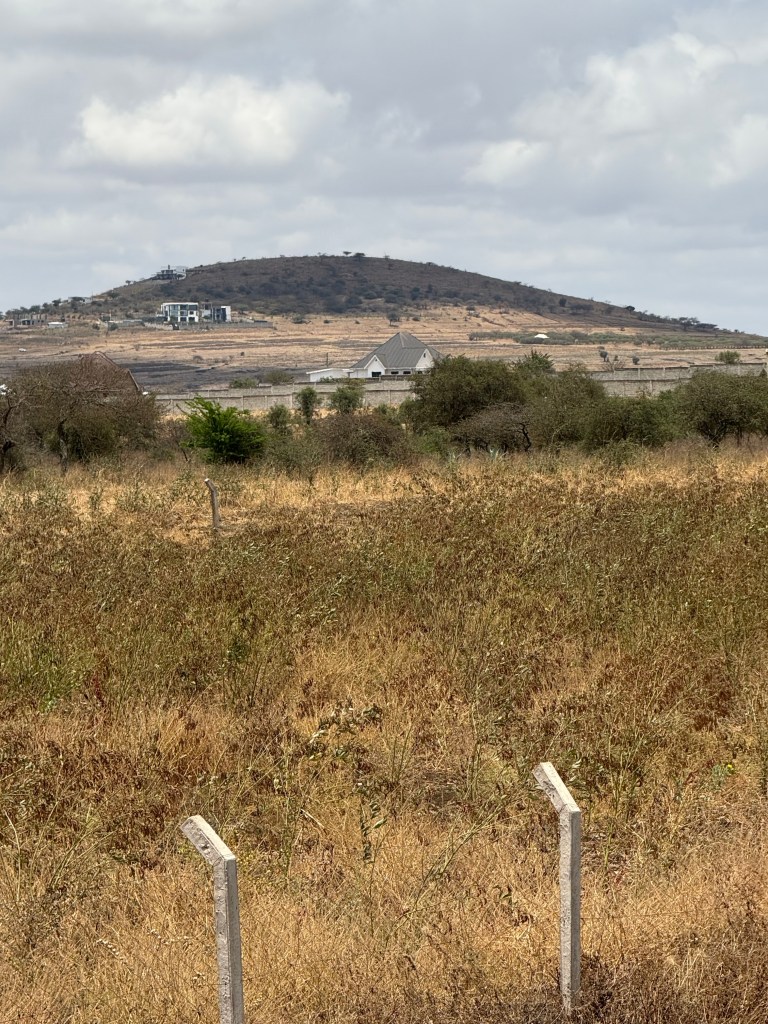
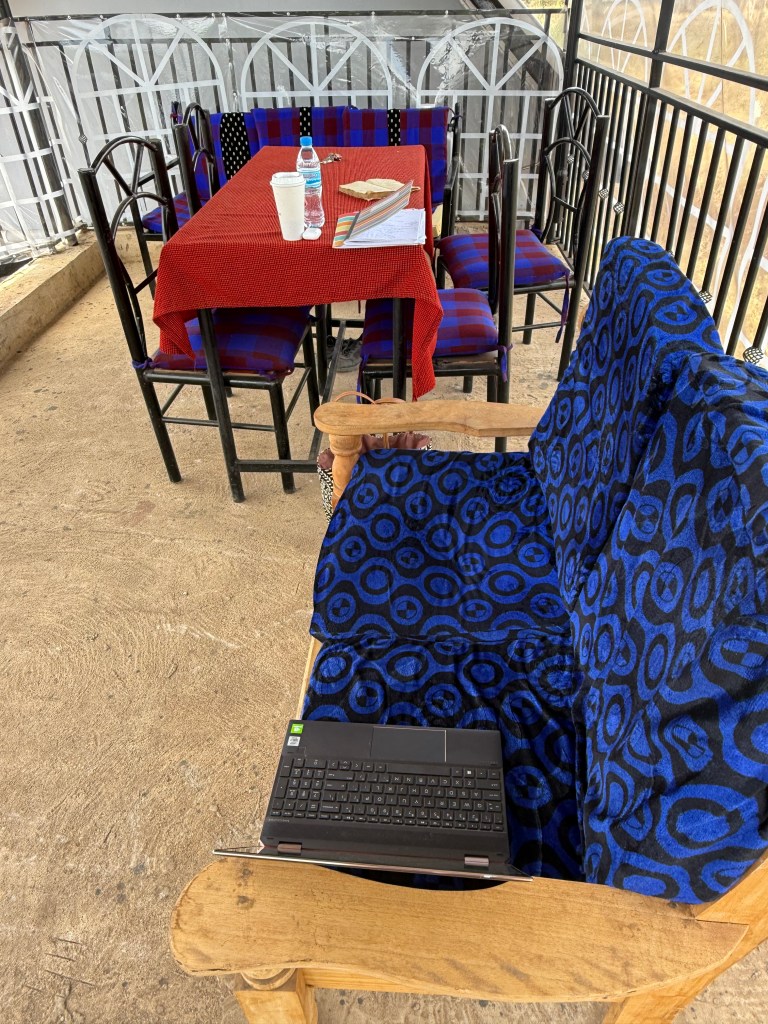
    On days (like today) when I stay home to work, my routine is still roughly the same minus the drive to Losi. Today I woke at 8:00 and cleaned up because the cleaning ladies were coming (some things are the same no matter where you live, IYKYK). As I write this, I have already completed two work assignments for my job in America, checked email and responded, read my morning devotion which included a ten-minute video, eaten breakfast and washed those dishes, and responded to several WhatsApp messages that needed my attention, plus checked Facebook and completed “Wordle” (in four attempts today, not very good), and it’s not even noon. I actually love “African Time”! Here when someone says they will come get you around 10:00(ish), that “ish” part is REAL! Church starts at 10:00 (ish). Late arrivals are encouraged. It’s like this country was made for me (again, IYKYK, I’m somewhat notoriously late in America). Anyway, I think the simple life may suit me. Enjoy these pictures that I took while I was writing this.

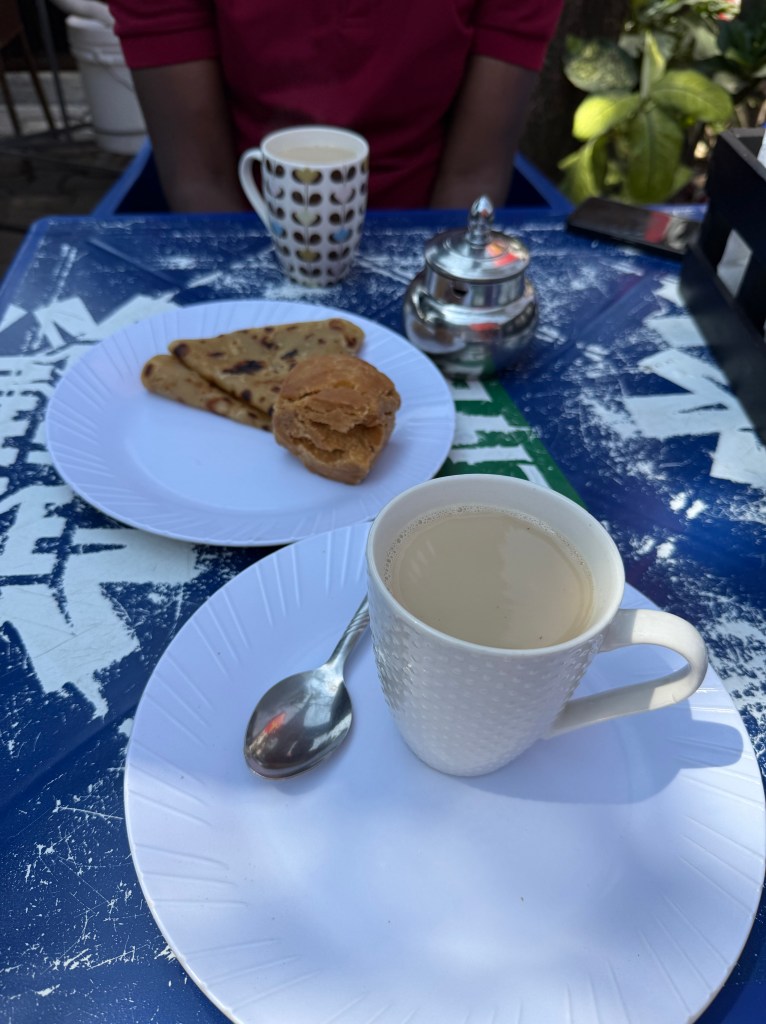
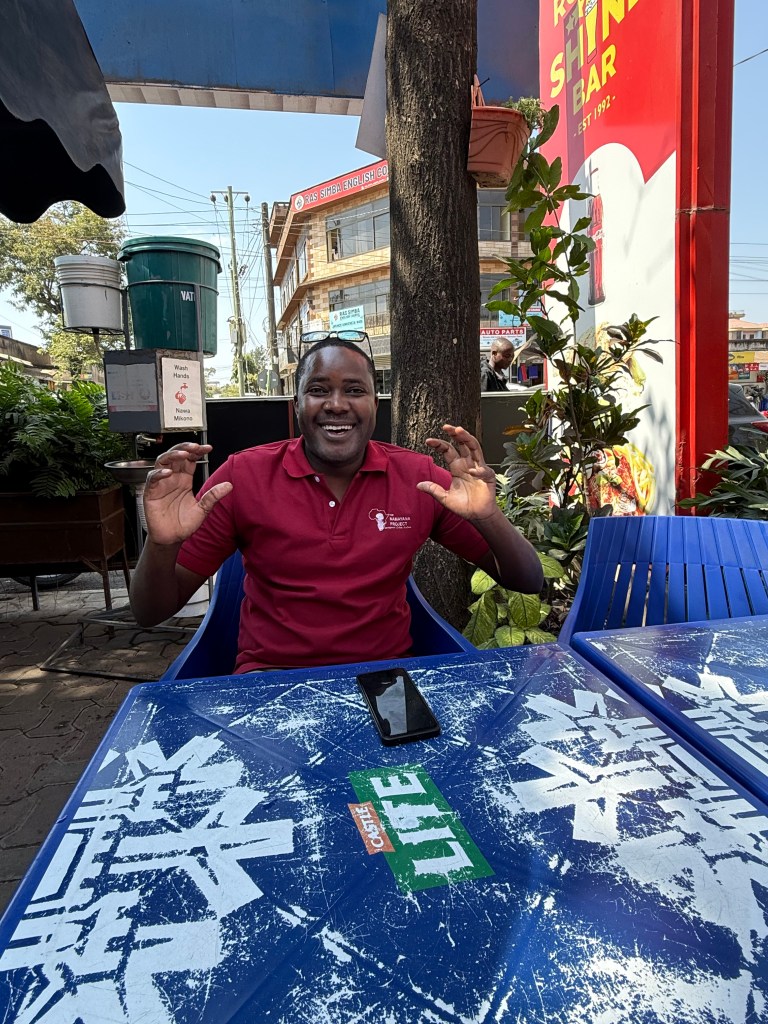
  • As I’m writing this, I am sitting at a cafe in Arusha where Langoi has parked me while he gets something done to his car. We came to Arusha today to run some errands and get some work done on his car. I wish I could express how different it is, and yet, how similar to a big city back home. It is still early (relatively…11:15 am), so the cafe isn’t full yet which is probably why they tolerate this Mzungu sitting here after her chai and japati are done. There is a lot of traffic going by, both on foot and vehicular. There seem to be a lot of car part stores along this particular street. You can find just about anything from spare car parts, floor mats, to radios and everything in between. It’s very colorful yet dirty and dusty. You kind of get used to it after a while. I remember the first time I came to Tanzania over a decade ago, and I was shocked at the buildings and houses, especially the bomas of the Maasai, because it is so different from America. But I think that difference is what gives it its beauty. The people are friendly and warm to me. I have never really felt unsafe in all the years I’ve been traveling here.

    Goodbye for now from Arusha town! Tutoanonna kesho, maybe…”see you tomorrow”!

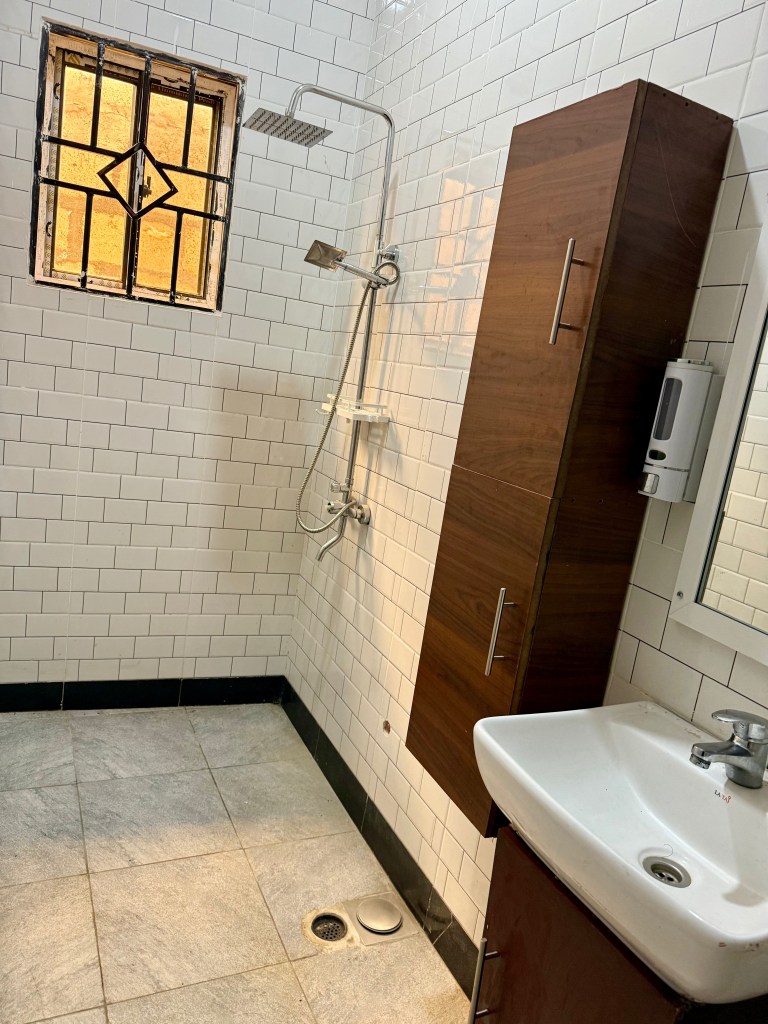
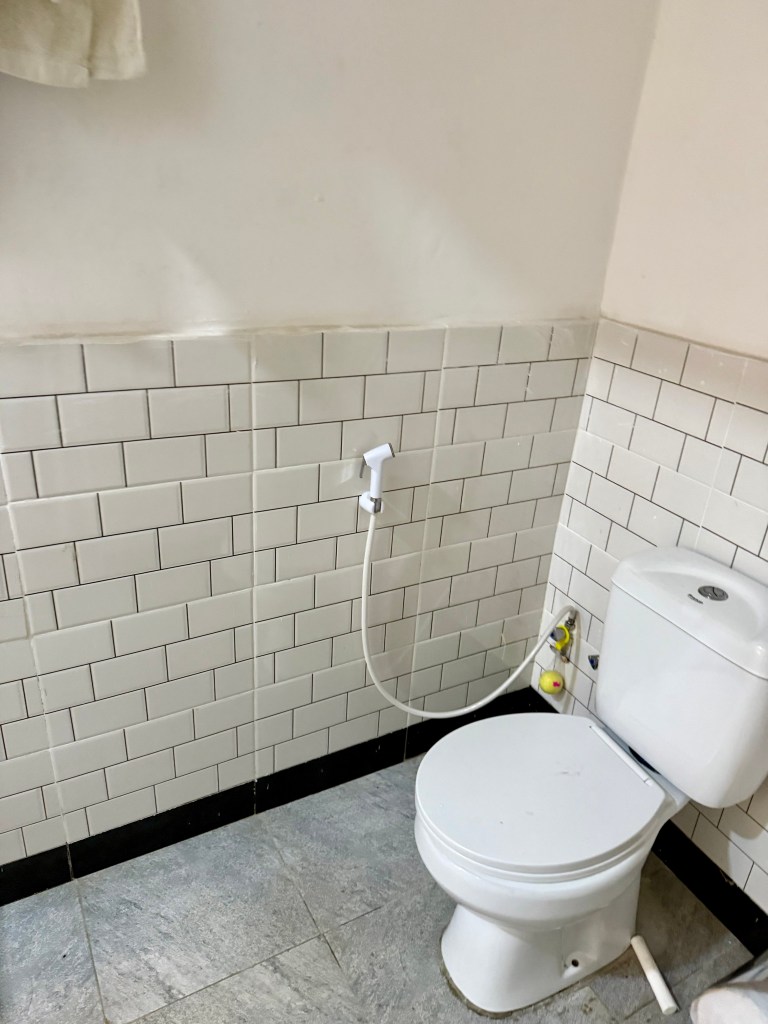
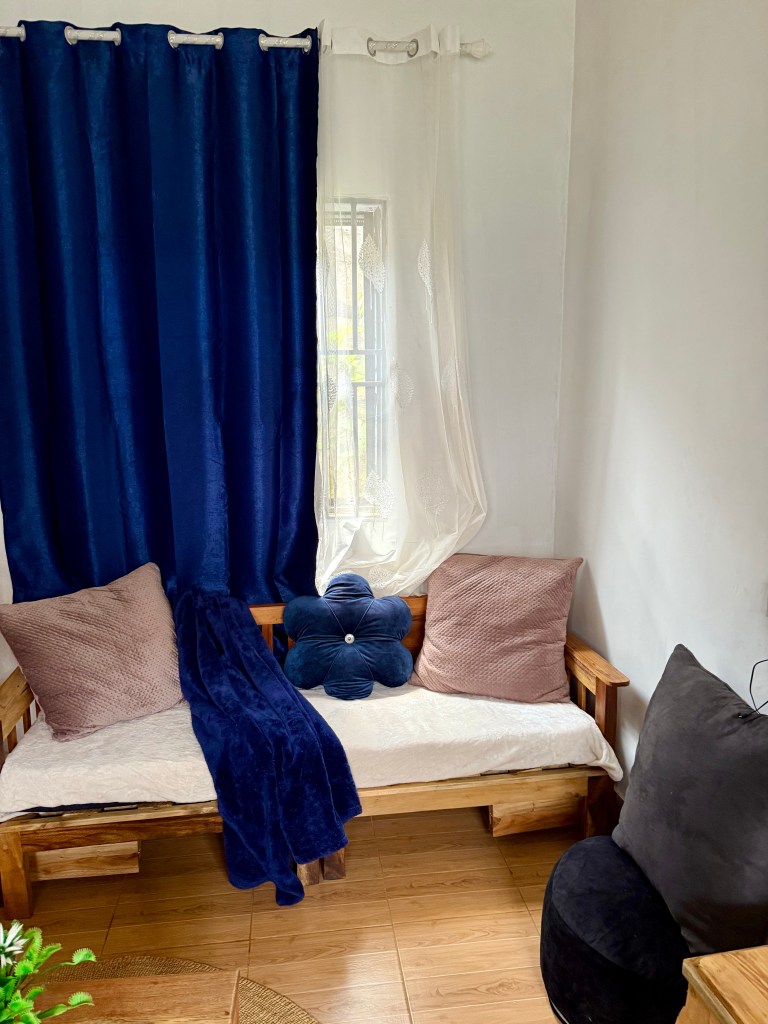
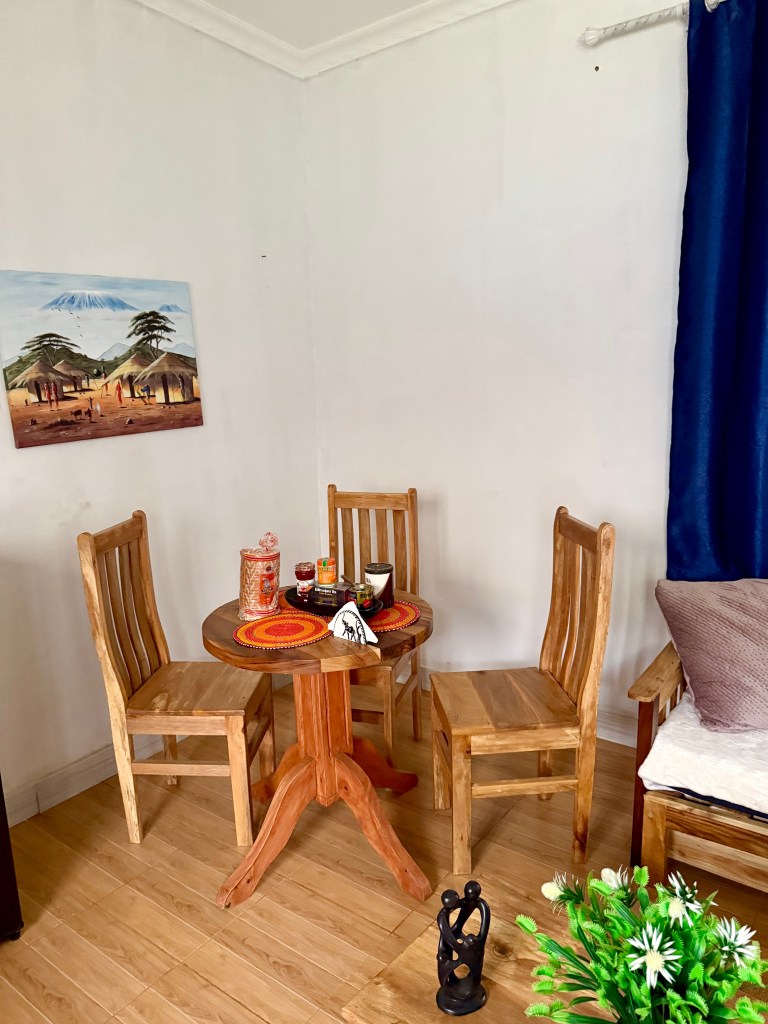
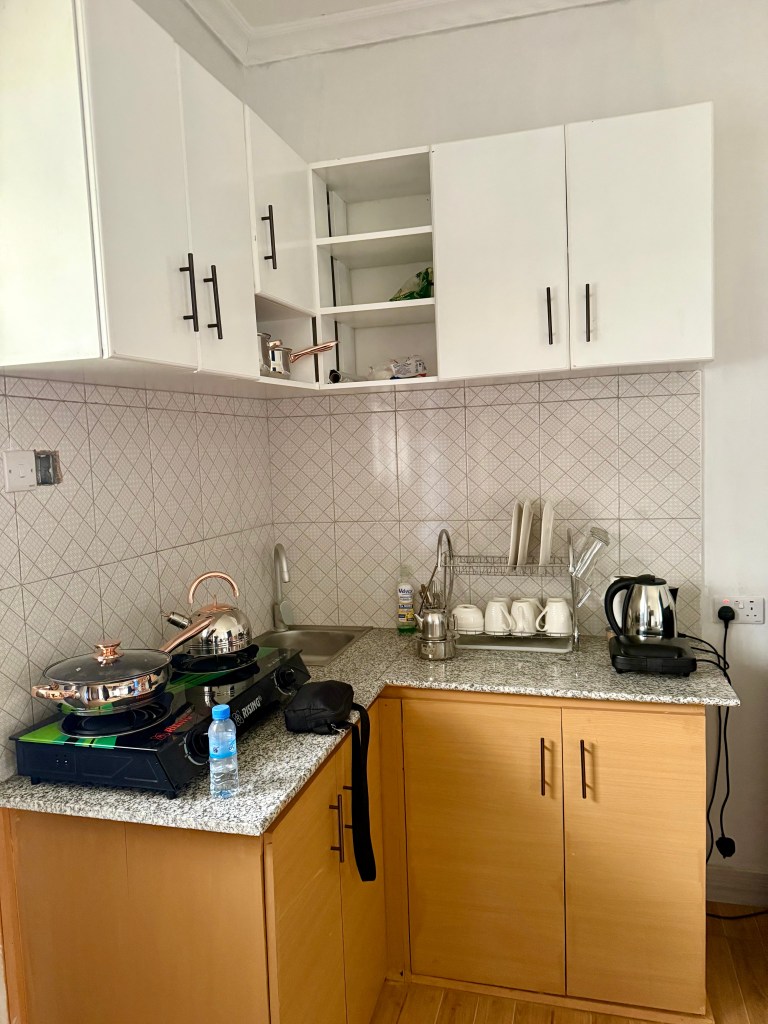
  • Karibu sana to my little blog! I have spent the past (almost) two weeks getting settled and visiting my students, staff, and friends. Last April I was able to come for a logistics visit during my spring break in America. During that time, I found a little apartment in the same village where I normally stay (shout-out Kisongo!!) which is fully furnished. That means it has two little rooms: a kitchen/living area and a bedroom plus an “en-suite” bathroom. Truly it is just enough space for me and not too difficult to keep clean at all. However, as I am writing this, my cleaning ladies are here cleaning, changing my sheets, and doing my laundry. One of the perks of Tanzania is that I am able to afford these “luxuries” because the cost of living is much lower than back home.

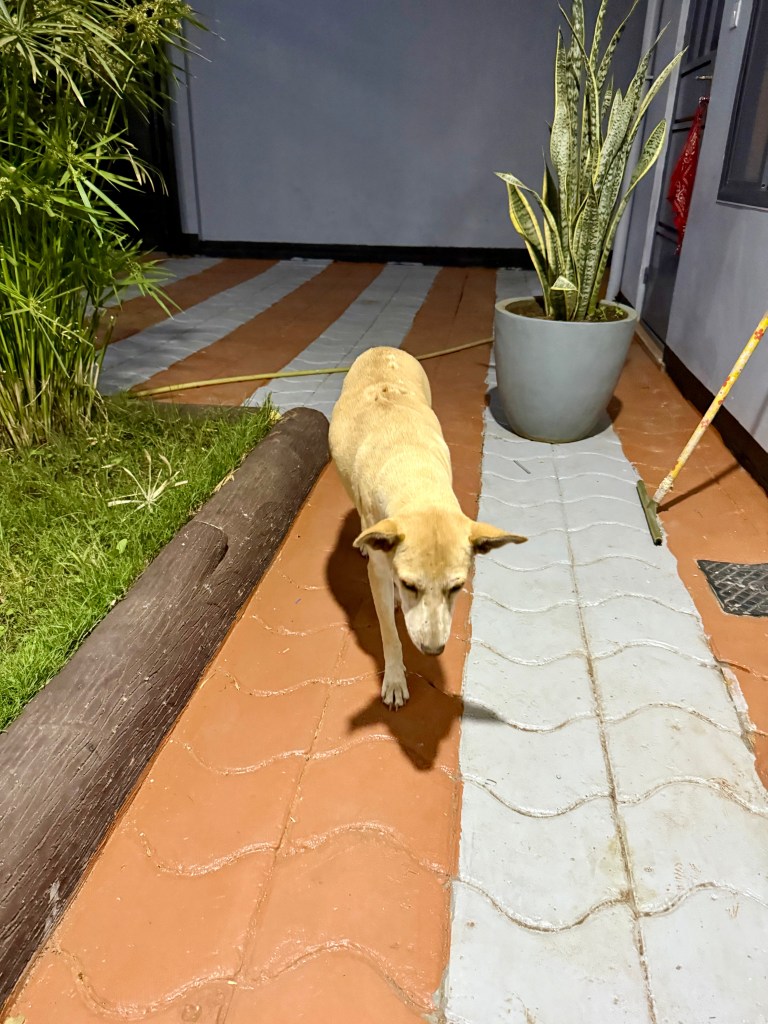
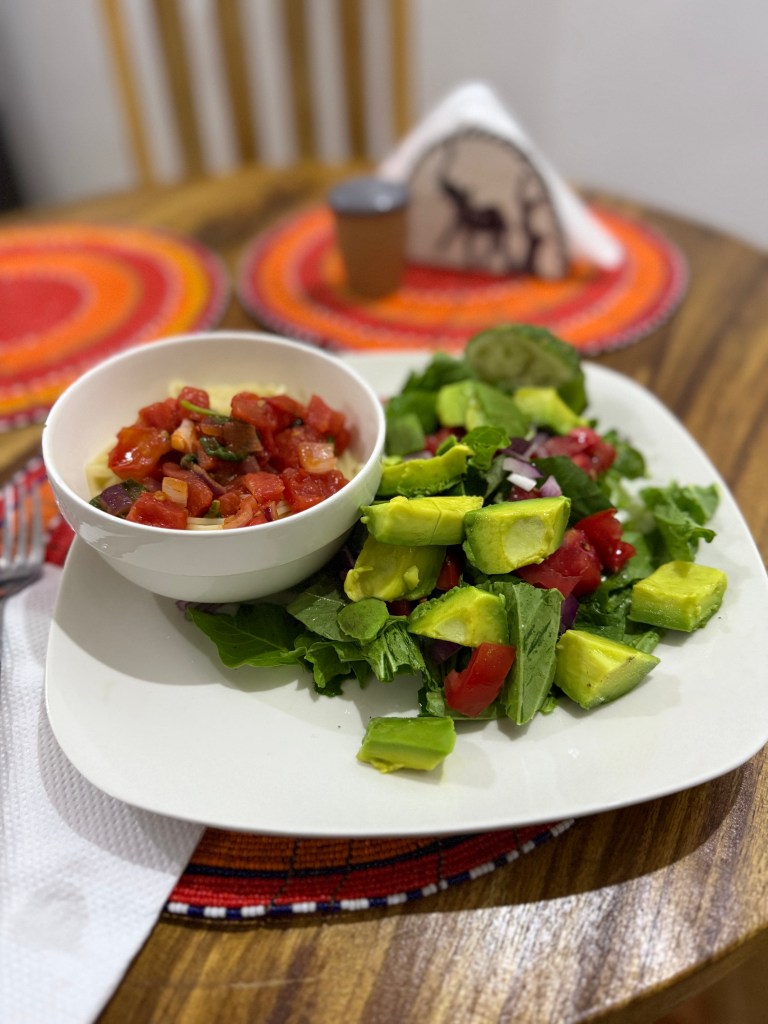
    As you can see, my living situation is very comfortable. The dog is the “courtyard dog” (as opposed to a junkyard dog). I haven’t given her a name yet, but I’m sure I will before long. She is very sweet and loves my cooking :). My first night here, after going to the local market to get a few items for my shelves and small refrigerator, I made a very American dish for my first cooking experience in Tanzania: spaghetti! (Okay, technically it’s Italian, I guess.) Enjoy the pictures below of my first time cooking in Tanzania after all these trips over the years!

    Finally, here is the view I get to look at when I write my blog posts. Mount Meru has always been one of my favorite mountains over here, and I can sit and look directly at it while I type. This picture really doesn’t do it justice, but you get the drift. See you next time you visit the “Mzungu Maasai”!

  • Jambo!

    Hello and Karibuni sana to my little blog detailing my adventures in Tanzania. 🇹🇿 So who am I and why would you want to follow me? Good question! My name is Lisa, and I’m a 50-something woman who decided to quit my teaching job and follow my heart (and God’s plan, I believe) to live halfway around the world in Tanzania.

    Why Tanzania? Well, ten years ago I took my first mission’s trip to Tanzania and fell in love with the culture and people of the Maasai tribe. The people are so friendly, warm, and welcoming. They truly value family and their children. They live joyously with very little “creature comforts” as we are used to in America. Every boma (home) I visited always served me chai and listened politely as I spoke to them about Jesus. These are the kind of people who would give you the shirt off their back. When it was time to leave, I vowed that I would return.

    Three years later, I was able to return and visit new people and others that I had met before. I loved it even more. One of my friends who was also a teacher contacted me about helping him start a school. 🏫 Obviously, I had no idea how to do this, so I flippantly told him to send me a proposal. Well, he did send that proposal, and I began researching how I could possibly do this. Fast forward through months of Covid (2020!!), months of incorporating as an entity, starting a bank account, applying for nonprofit status, starting a website and social media, and then accepting donations…and Namayana Nursery School opened on January 7, 2021. I was miraculously able to attend the opening even though the world was partially shut down.

    Here I am almost five years later, and I’ve quit my job back home and uprooted my life to live halfway around the world from the US. I believe this is just for a season of my life, but I am always open. God has blessed me with this opportunity to spend more time with my students, staff, and friends who are family here. So, come follow me while I navigate being a “Mzungu Maasai”…white person who is Maasai!