(Edited to say that I wrote this last Friday, but due to circumstances like no electricity (lol), I didn’t get it posted until this week so not July 4th but the weekend before that.) Last weekend I had the opportunity and the privilege to attend a circumcision “after party”. For those unfamiliar with the Maasai culture, circumcision happens at the parents’ discretion during a seven-year period which becomes the boy’s “clan”. There is a seven-year period where circumcisions are taking place, then a seven-year period where those who were circumcised become the tribal warriors. After that, the cycle repeats again. For example, my godson will be ten this month, so by the end of this cycle, he will be circumcised because to wait until the next cycle would make him too old. For most of us, circumcision is something that happens at birth inside a hospital by a doctor. For the Maasai, circumcision happens during a special ceremony (of which I have heard stories but have not witnessed for myself because I am an American WOMAN which immediately cancels me out). From what I have heard and researched; there are only a few men who are trained in the art of Olkolioni as respected traditional healers.
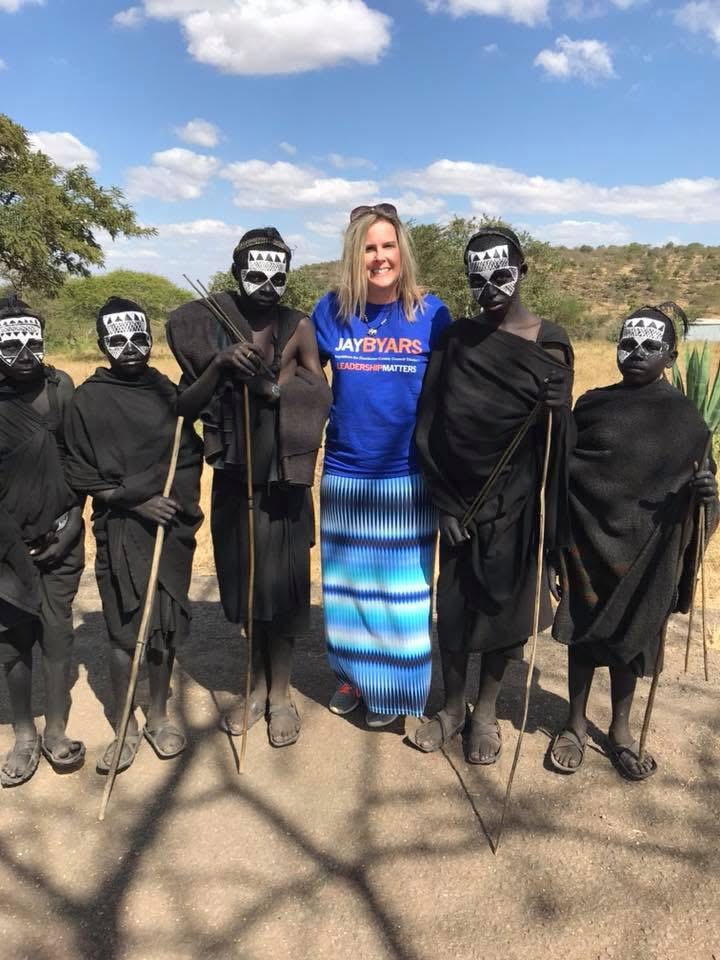
The rite of passage is known as Emorata which begins their transition from childhood into manhood as Morans (the warriors). For a boy to become a Moran, he must not flinch during the circumcision as this is considered disgraceful and shameful. It is my understanding that there is special ceremony before “THE” ceremony with the family and initiates consisting of dancing, singing, and general conviviality. Drinks flow and food is consumed. After the circumcision, the boy is taken to his boma where he will stay for approximately two weeks while he heals. During this time, he does not wash his body or clothes and drinks mostly cows’ milk mixed with blood which is said to have healing properties. He will also eat meat, but he is not supposed to hold any weapons during this time, so the meat must be cut up in smaller pieces for him. In the past, bomas were located in one central place for the boys undergoing the ceremony, so they could all heal together, but in our modern day and age, they mostly heal by themselves or maybe with a few others in their family who have undergone at the same time. Afterwards, the Moran receive gifts of livestock to begin their new lives as the warriors. The first round of healing takes around two weeks, but the full healing process takes about three to four months. During this time, the boys wear dark clothing, paint their bodies black, and some of them also wear a white mask to “hide” their identity from those outside the tribe as they will become the next warriors.
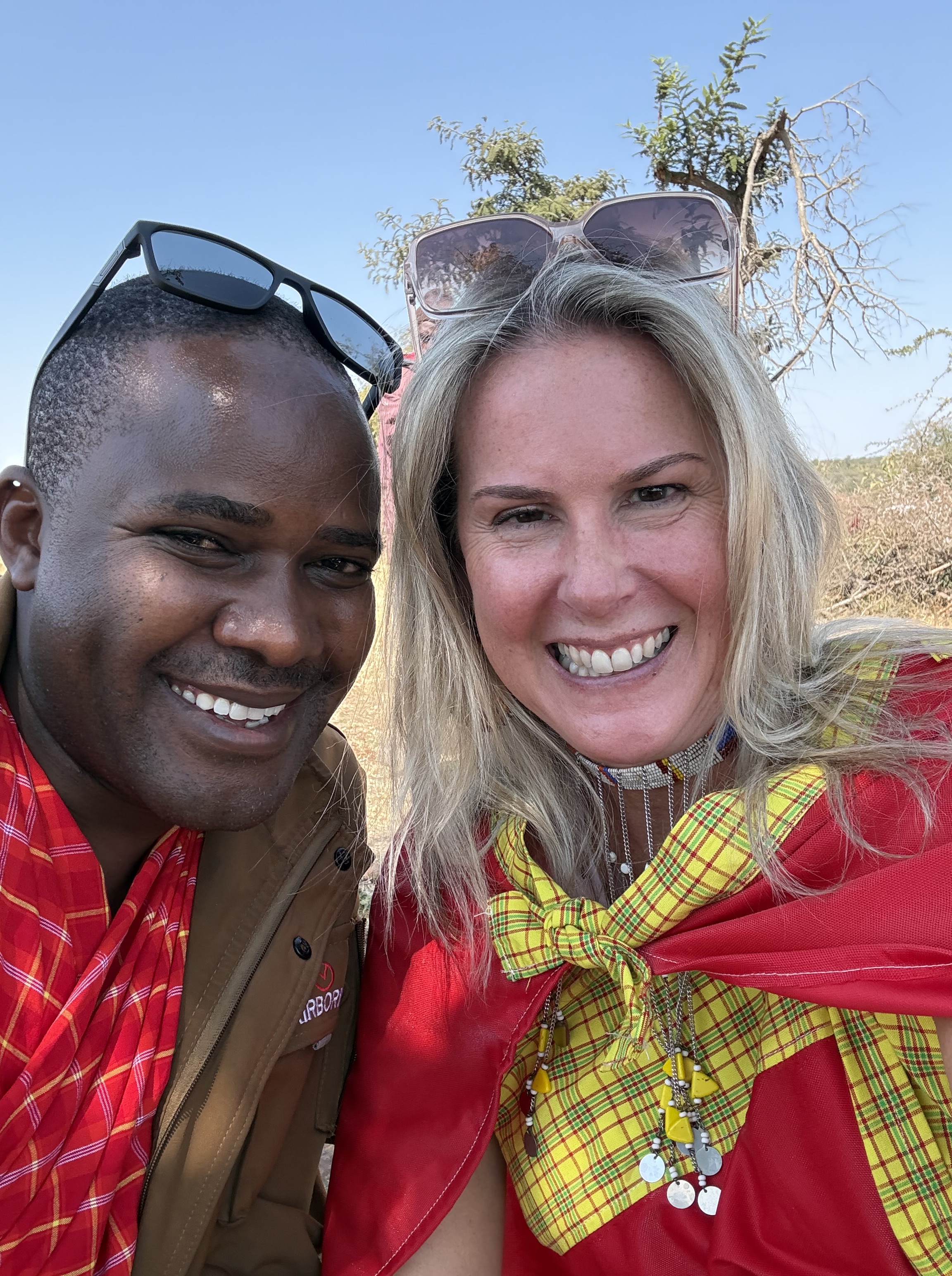
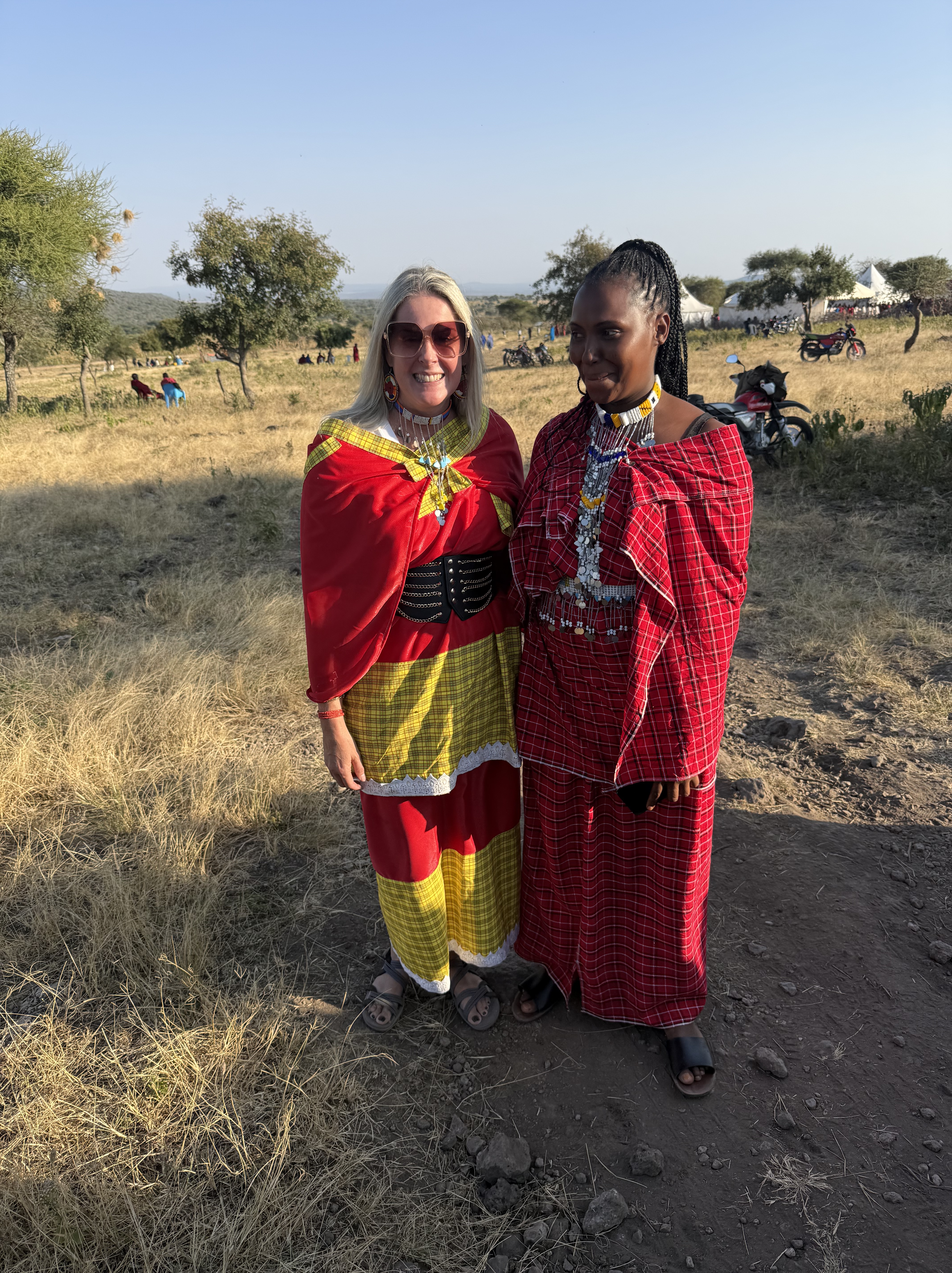
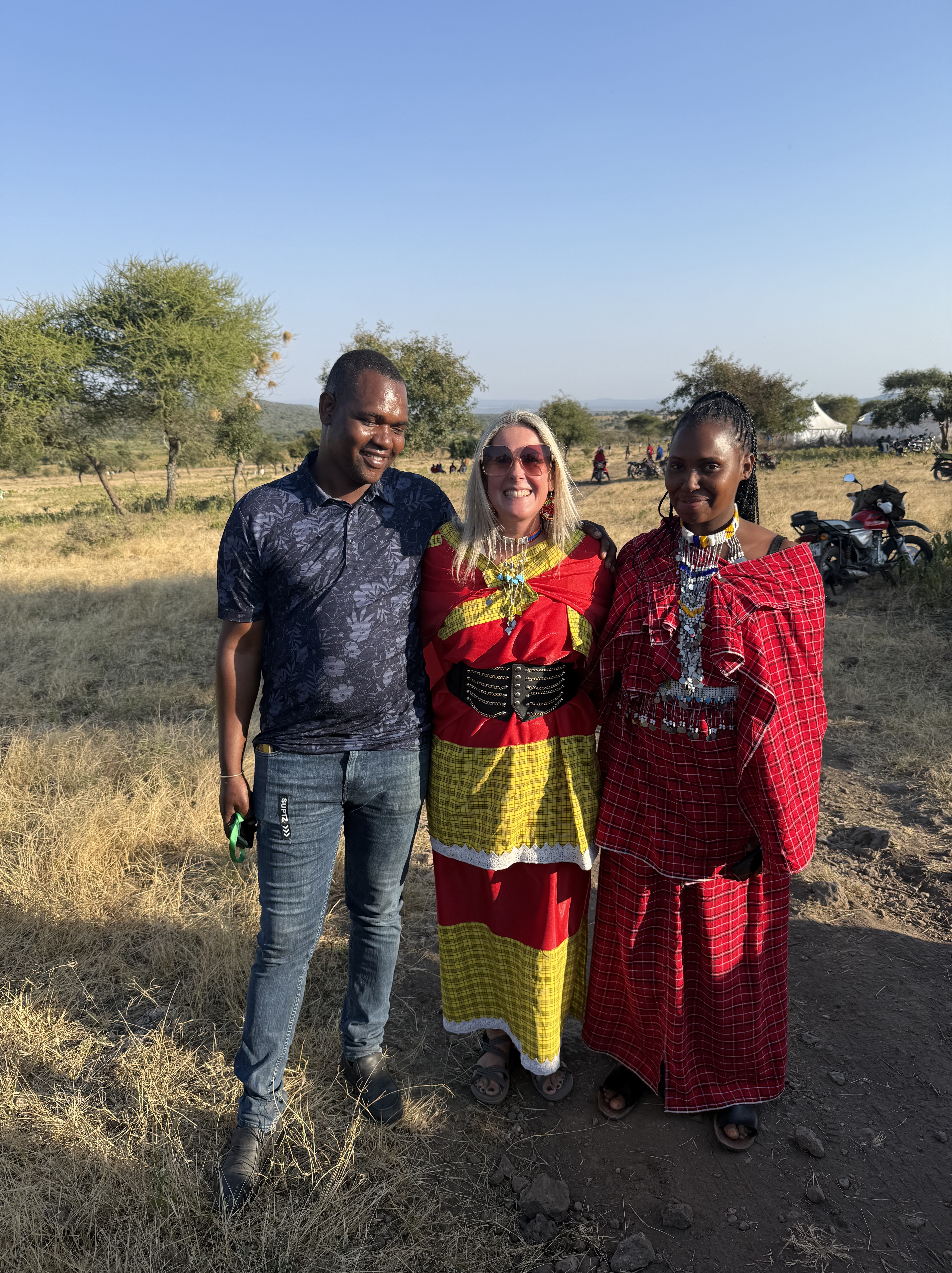
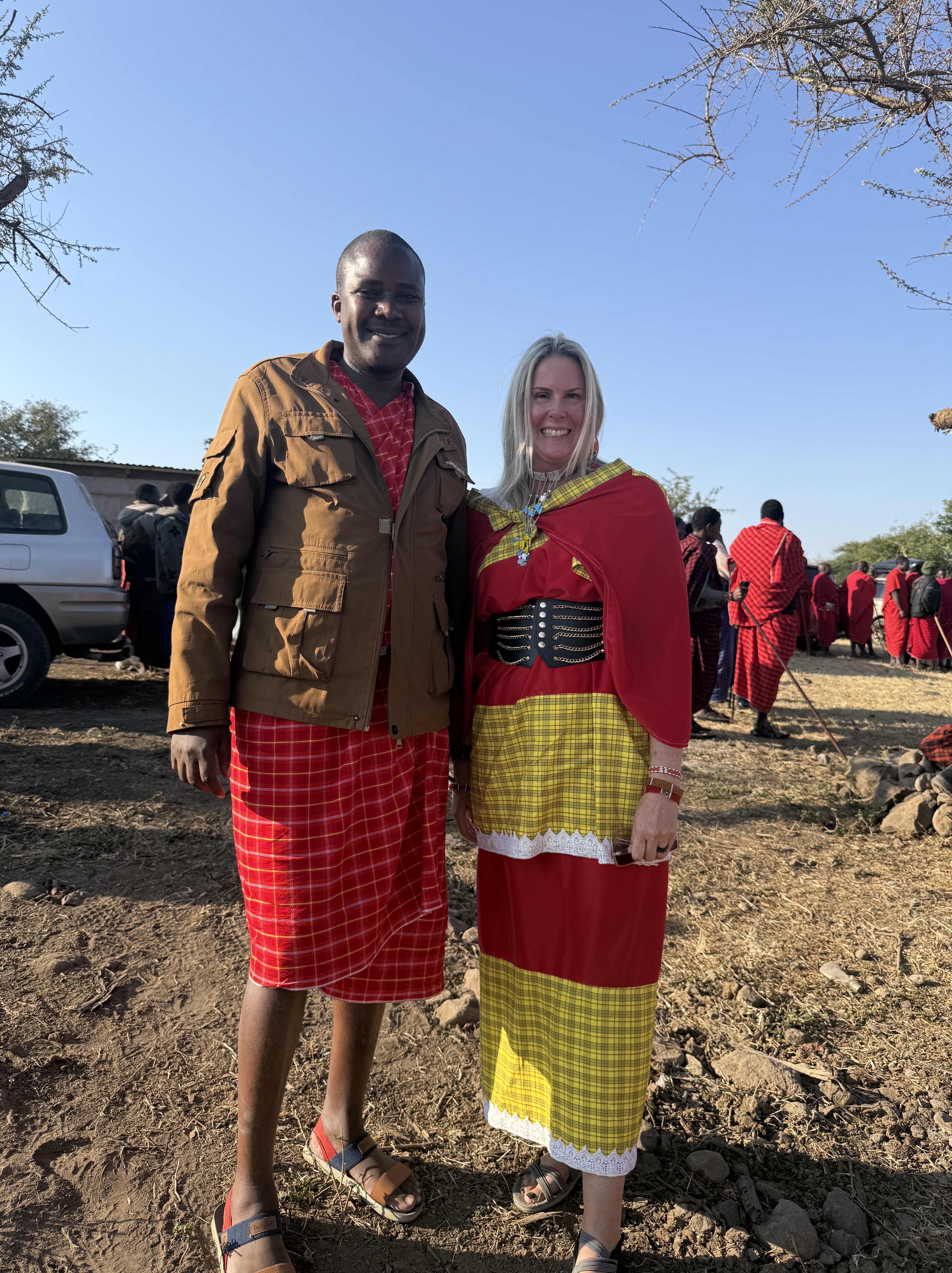
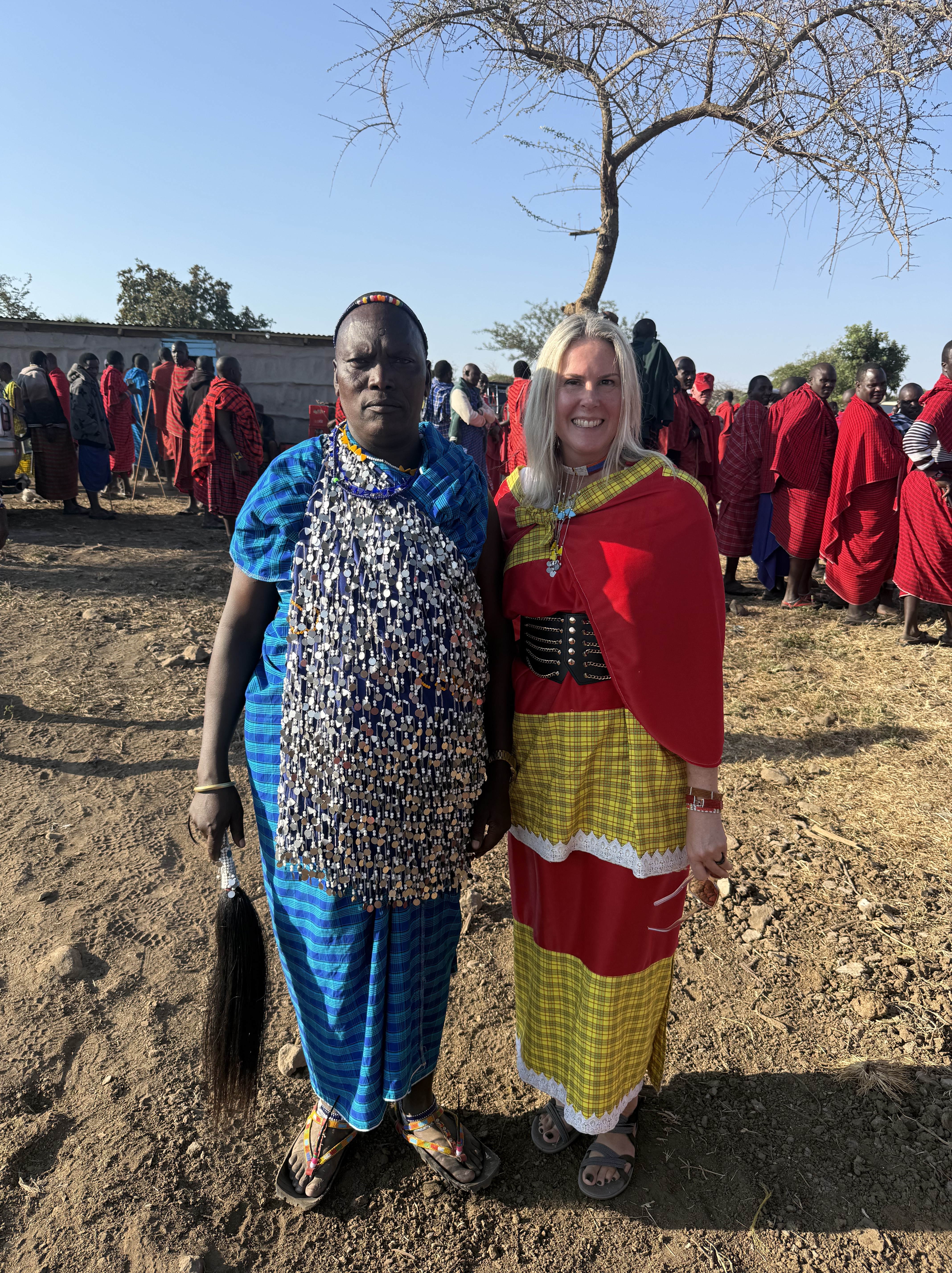
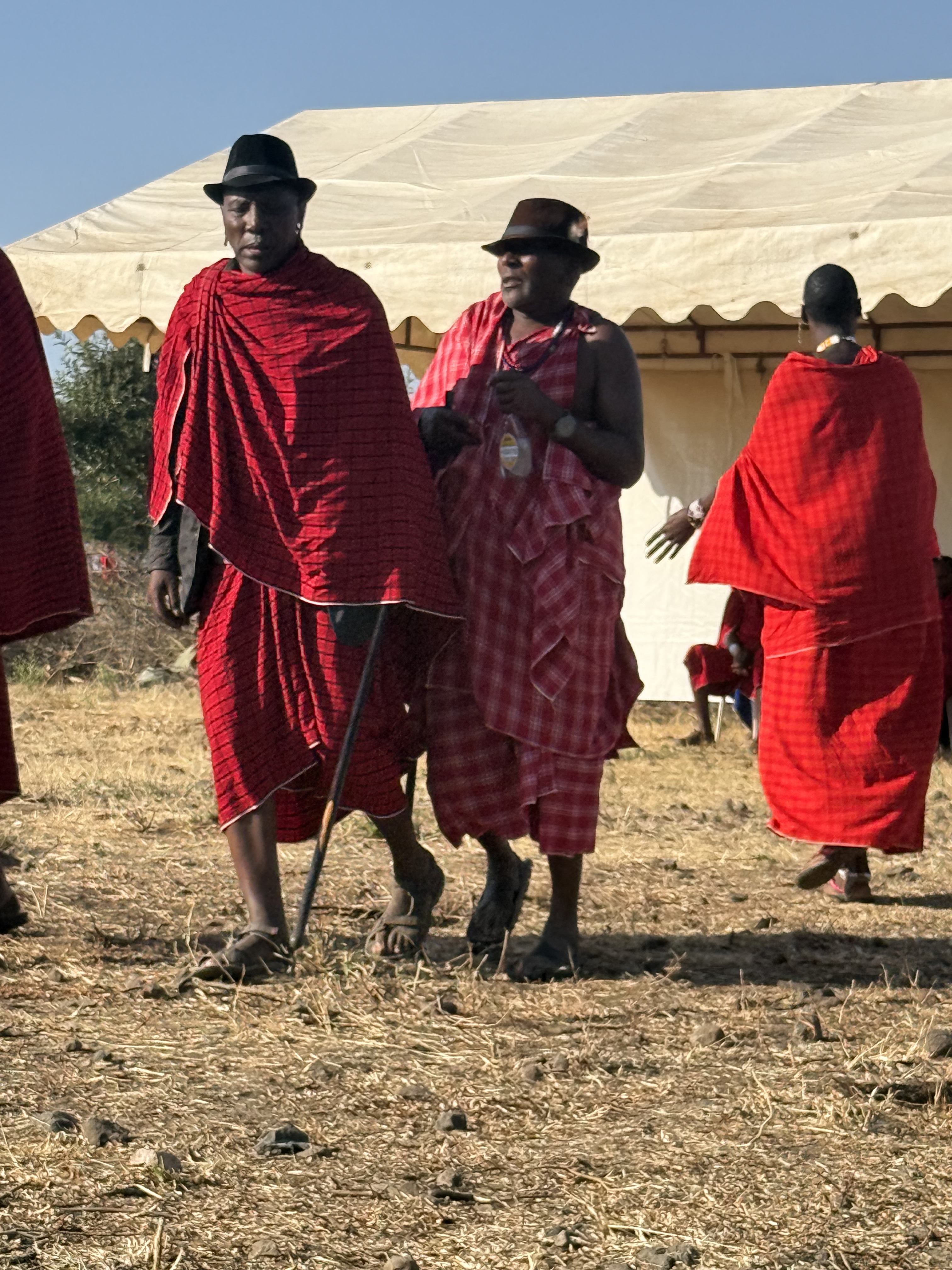
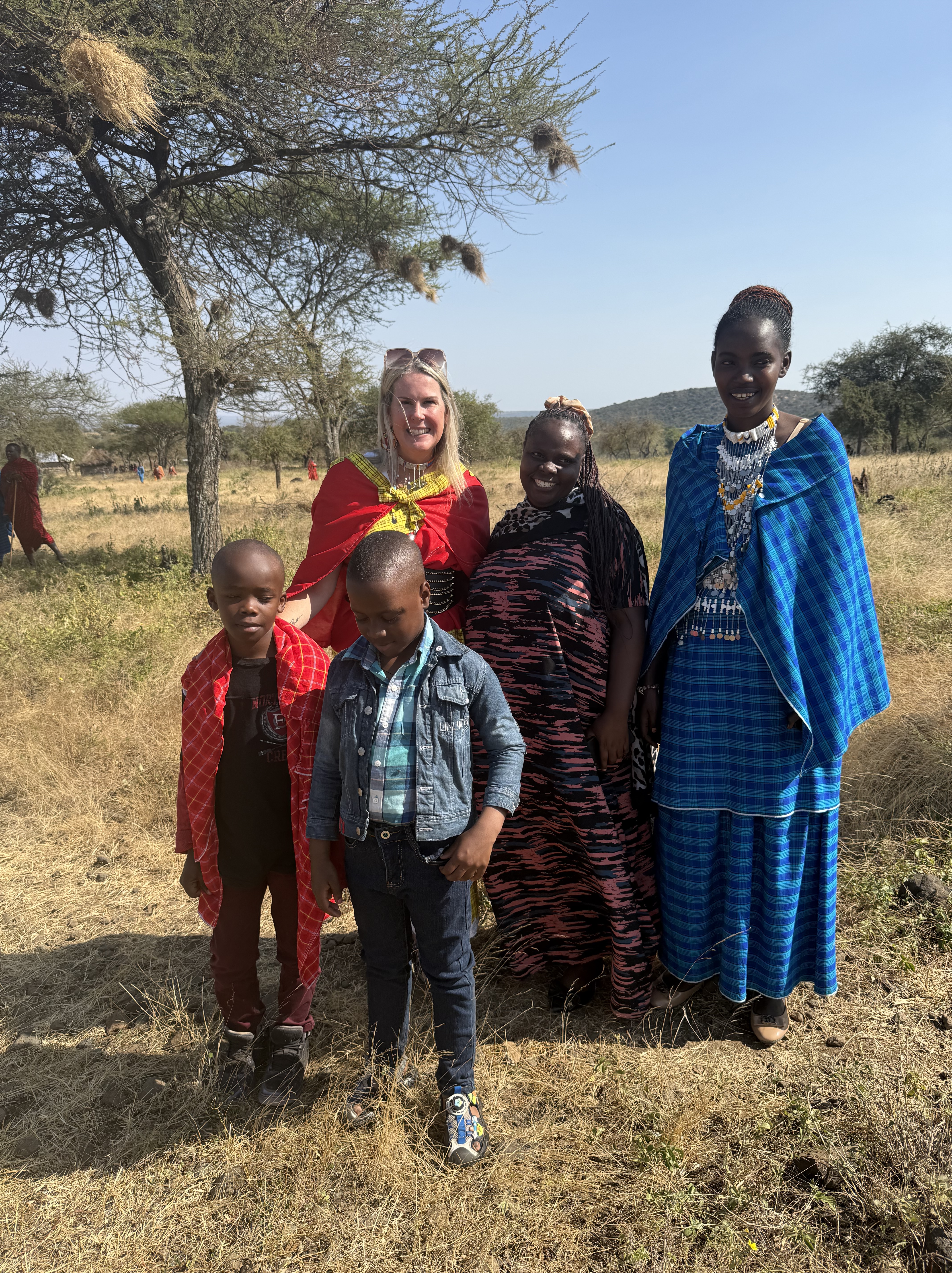
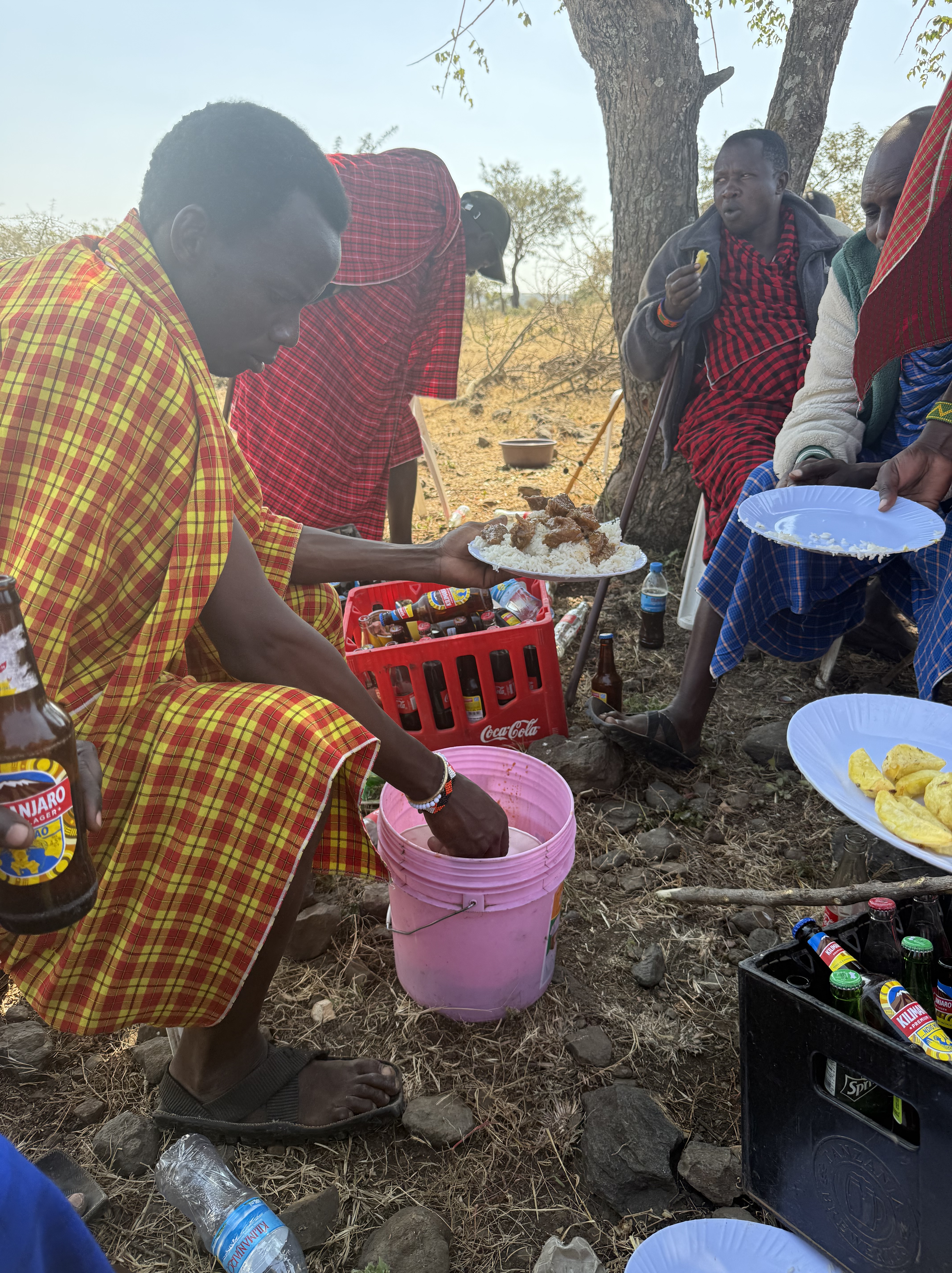
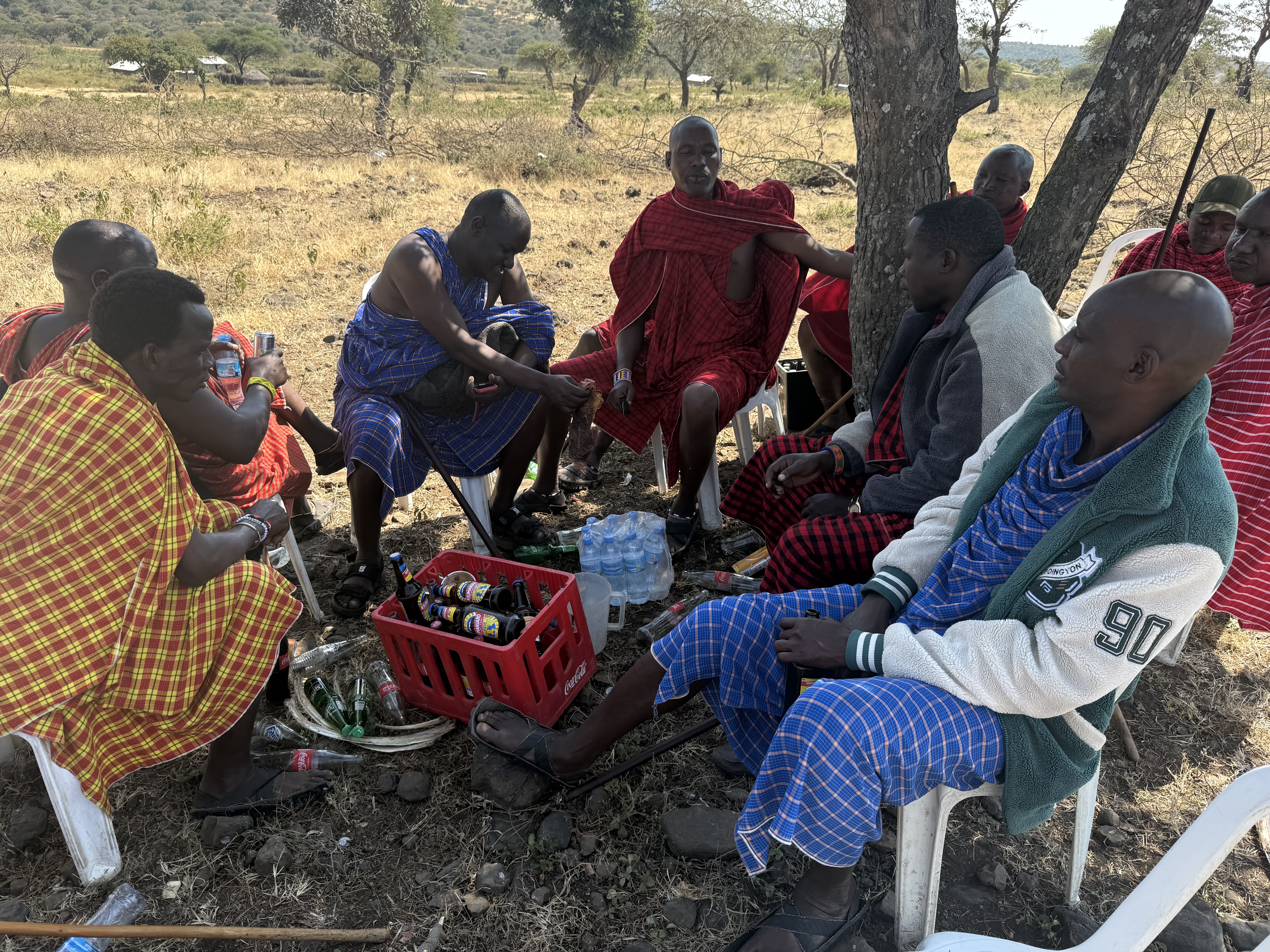
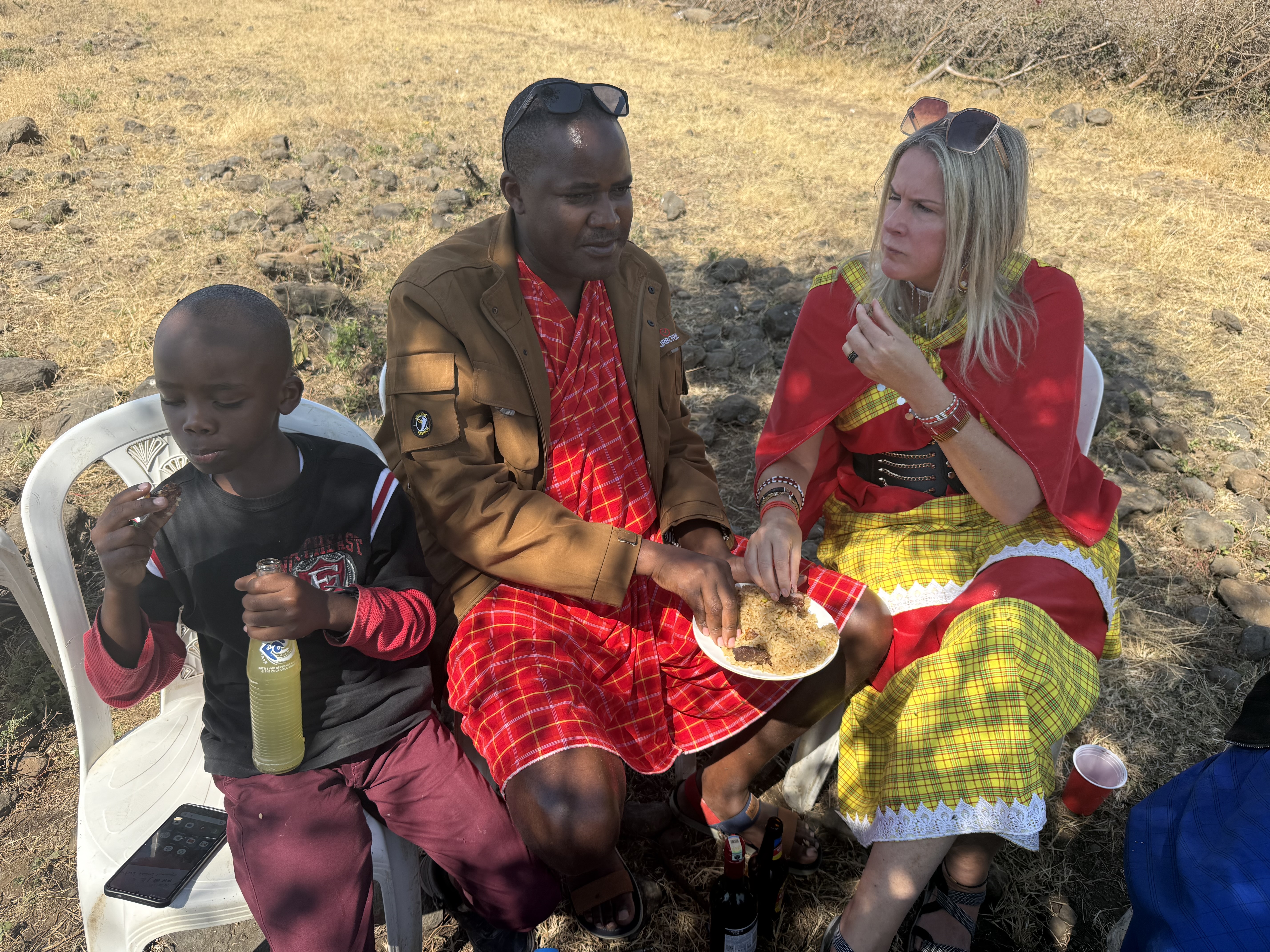
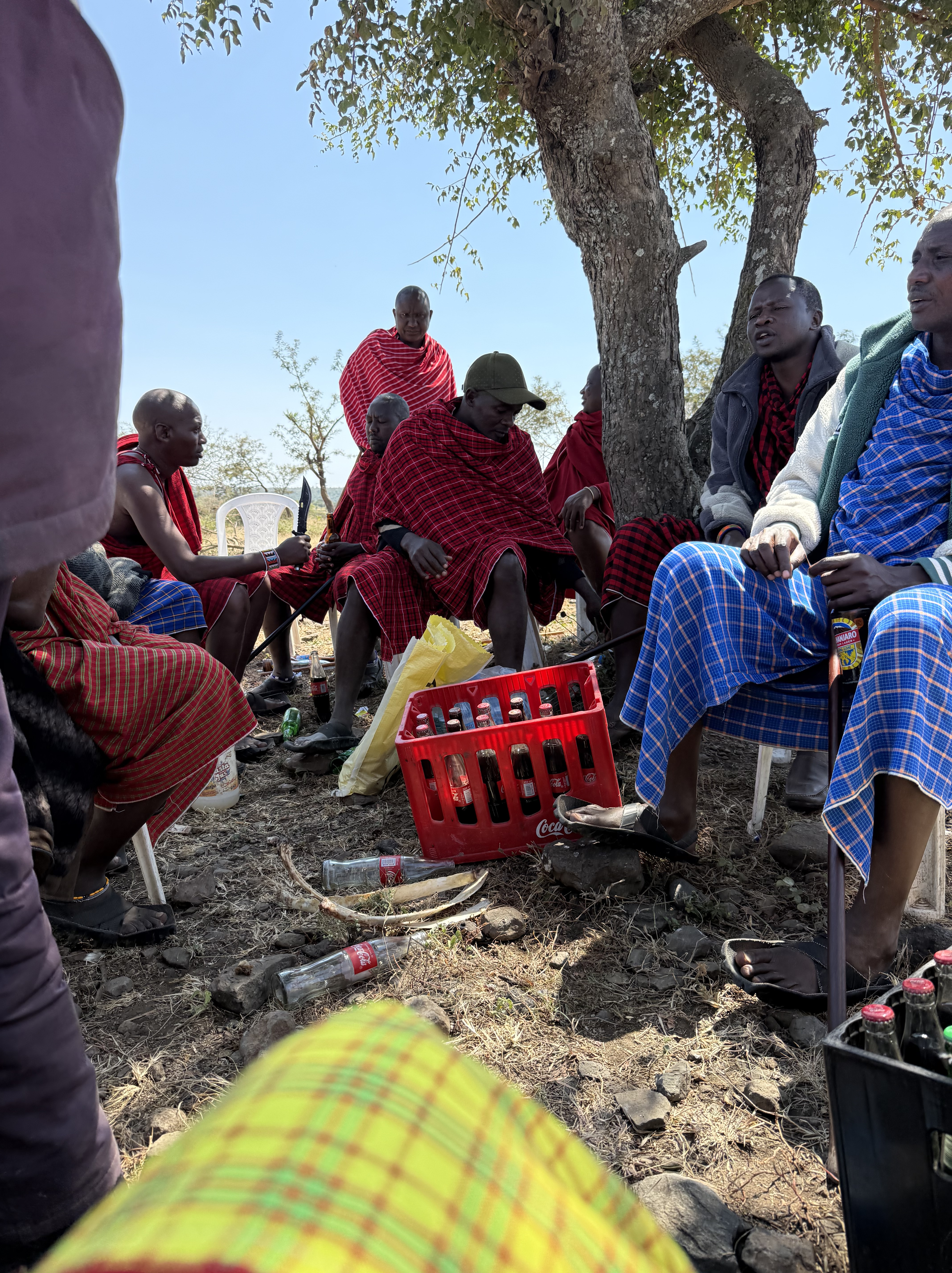
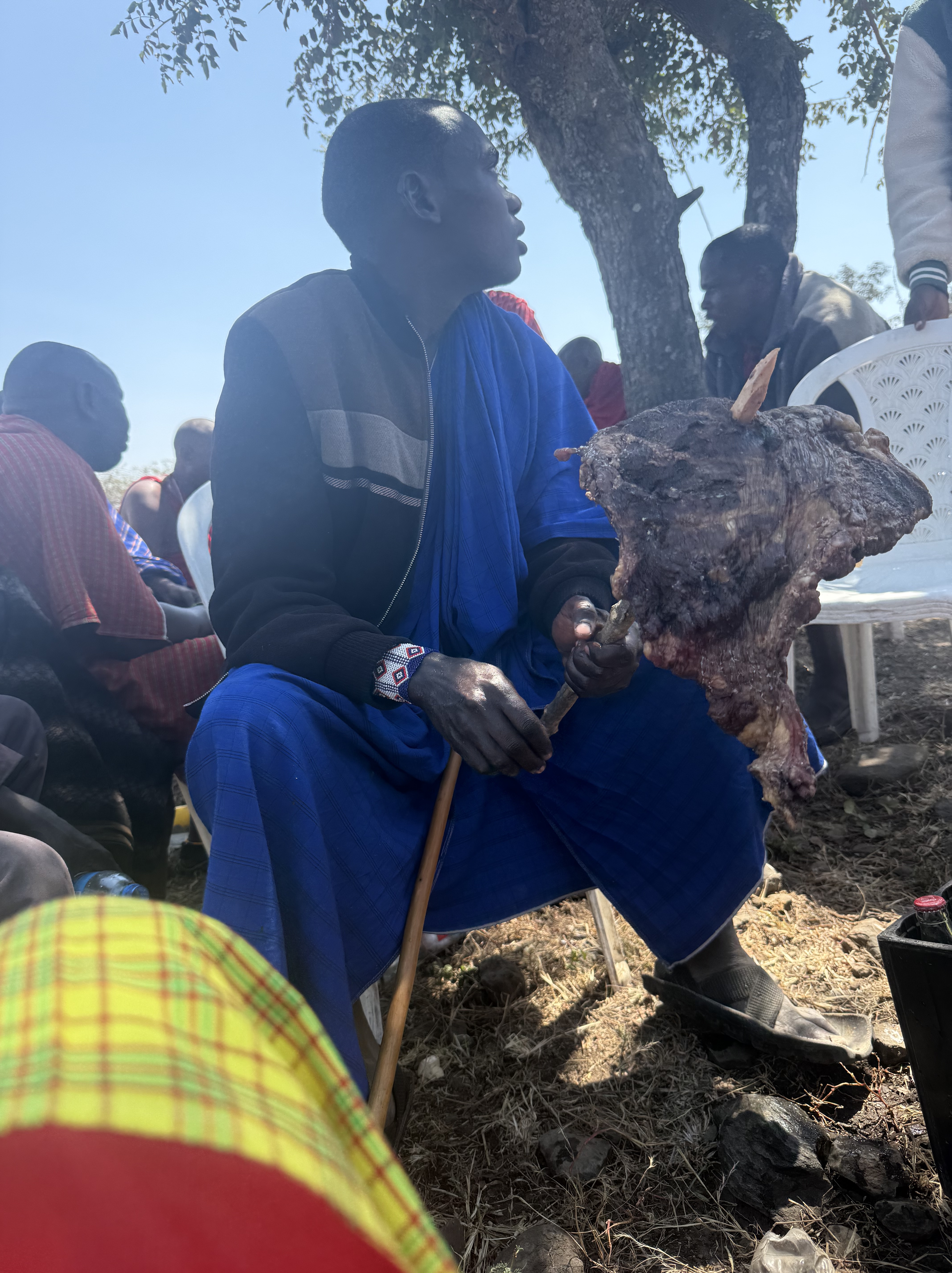
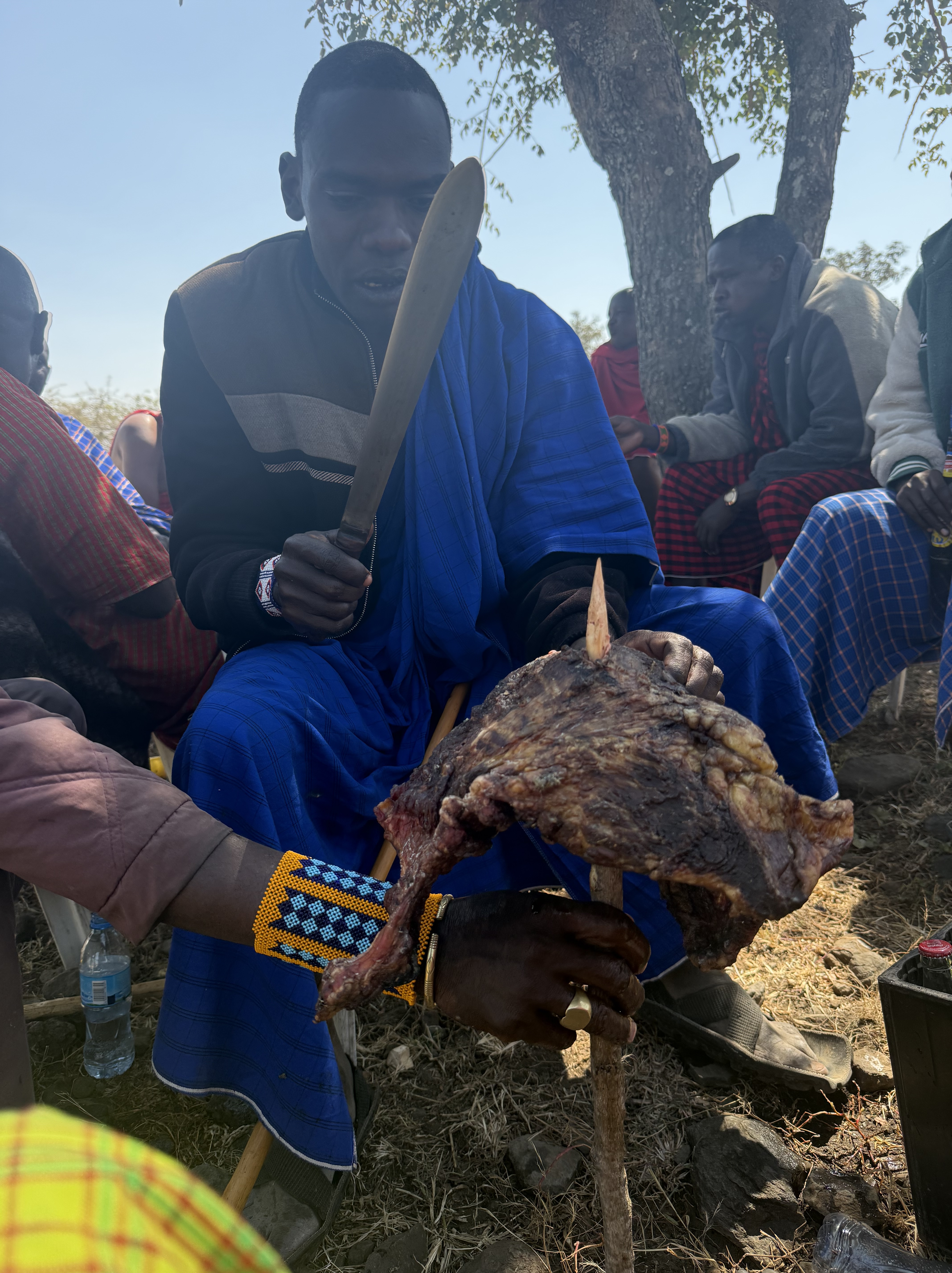
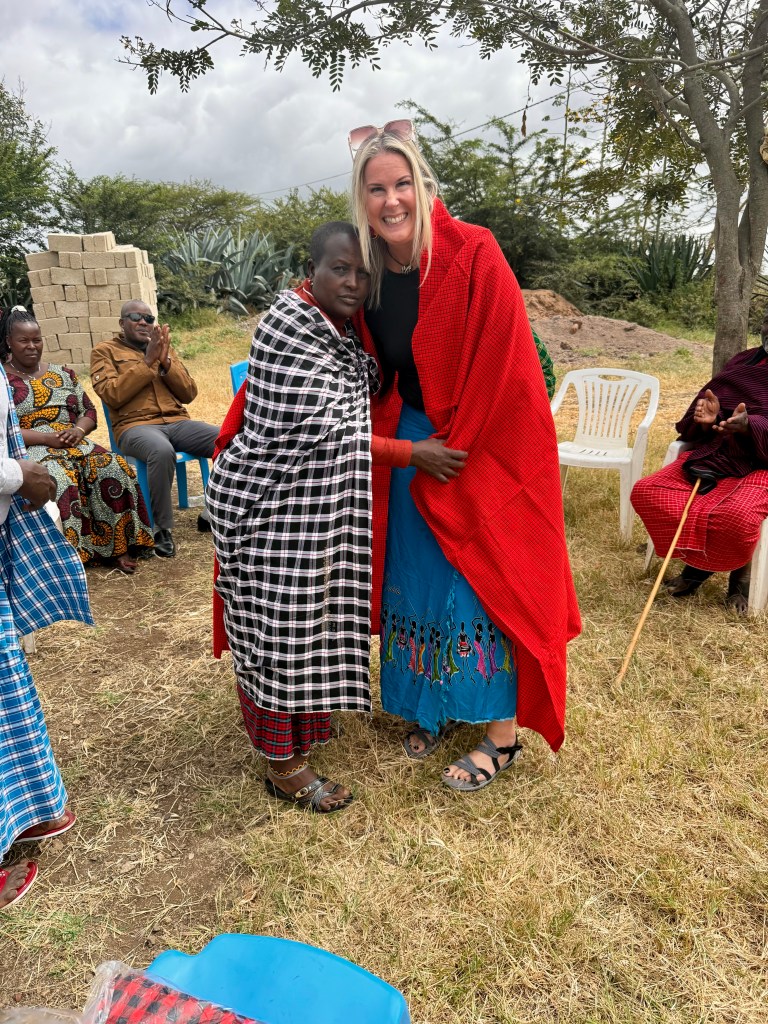
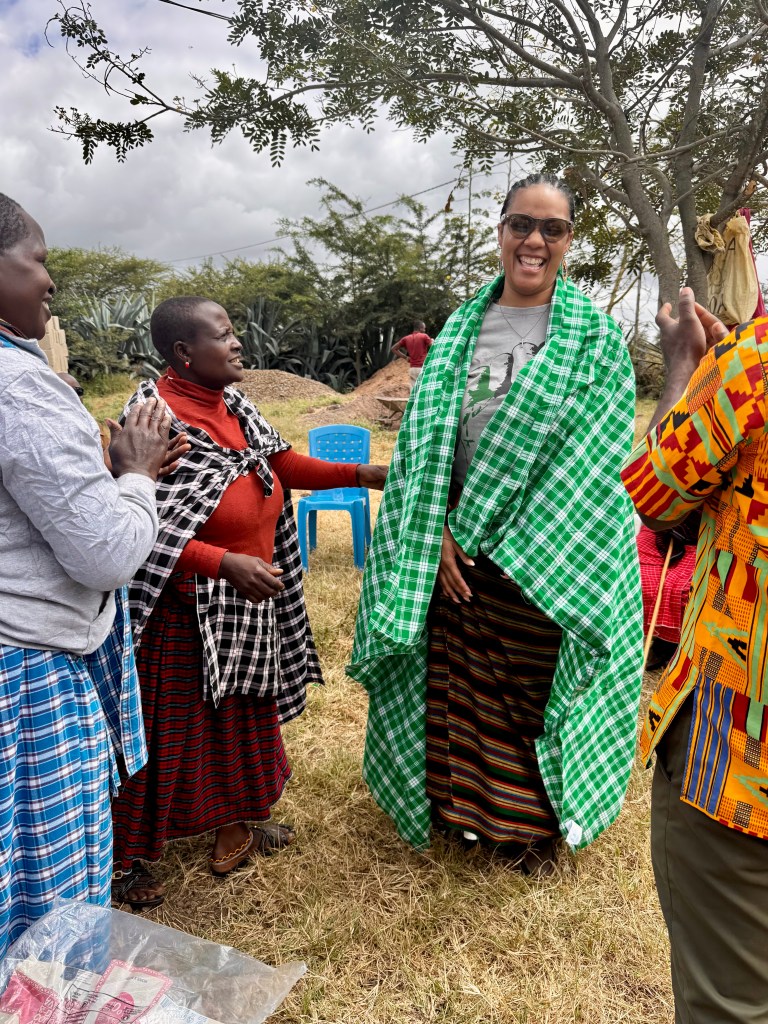
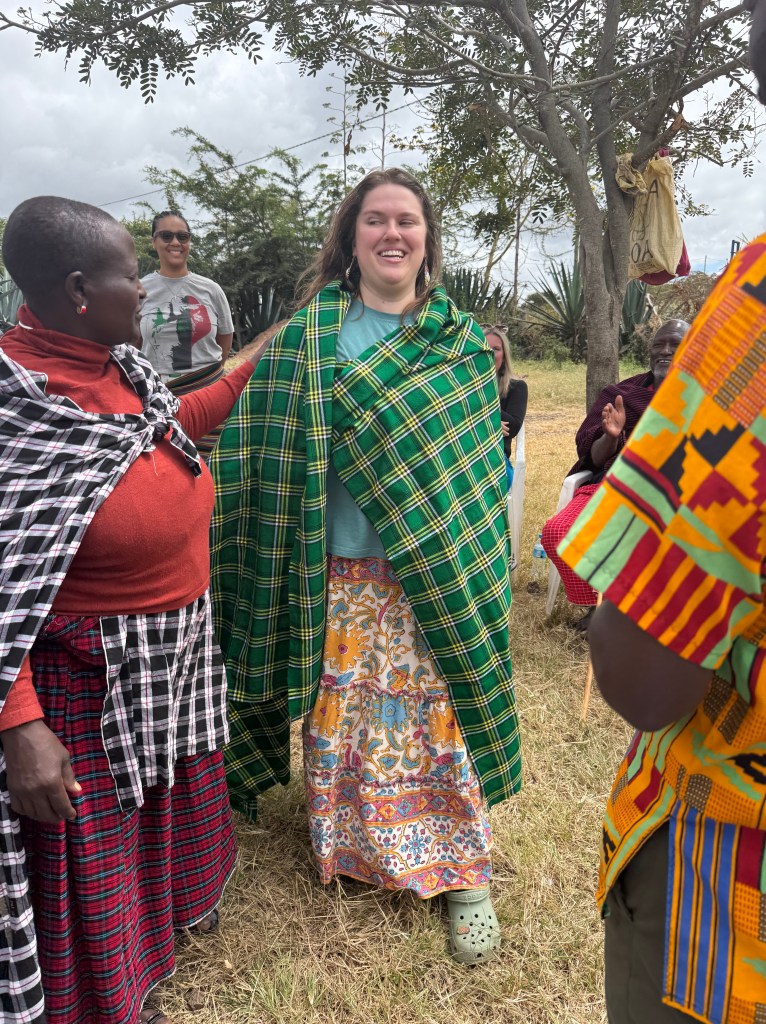
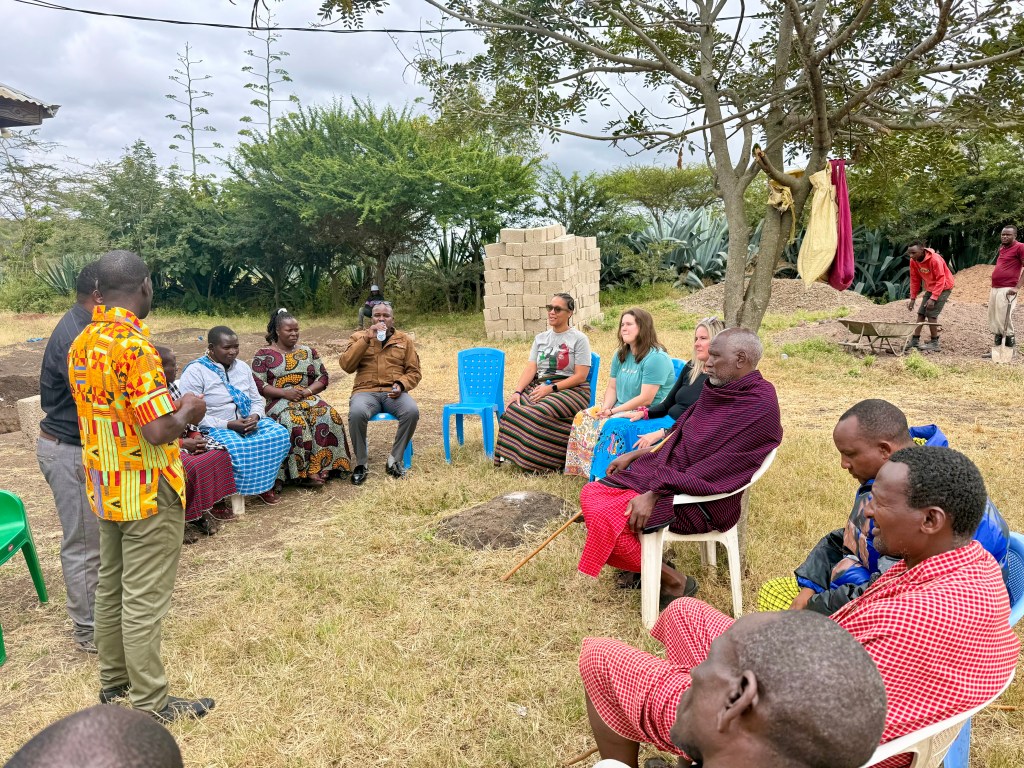
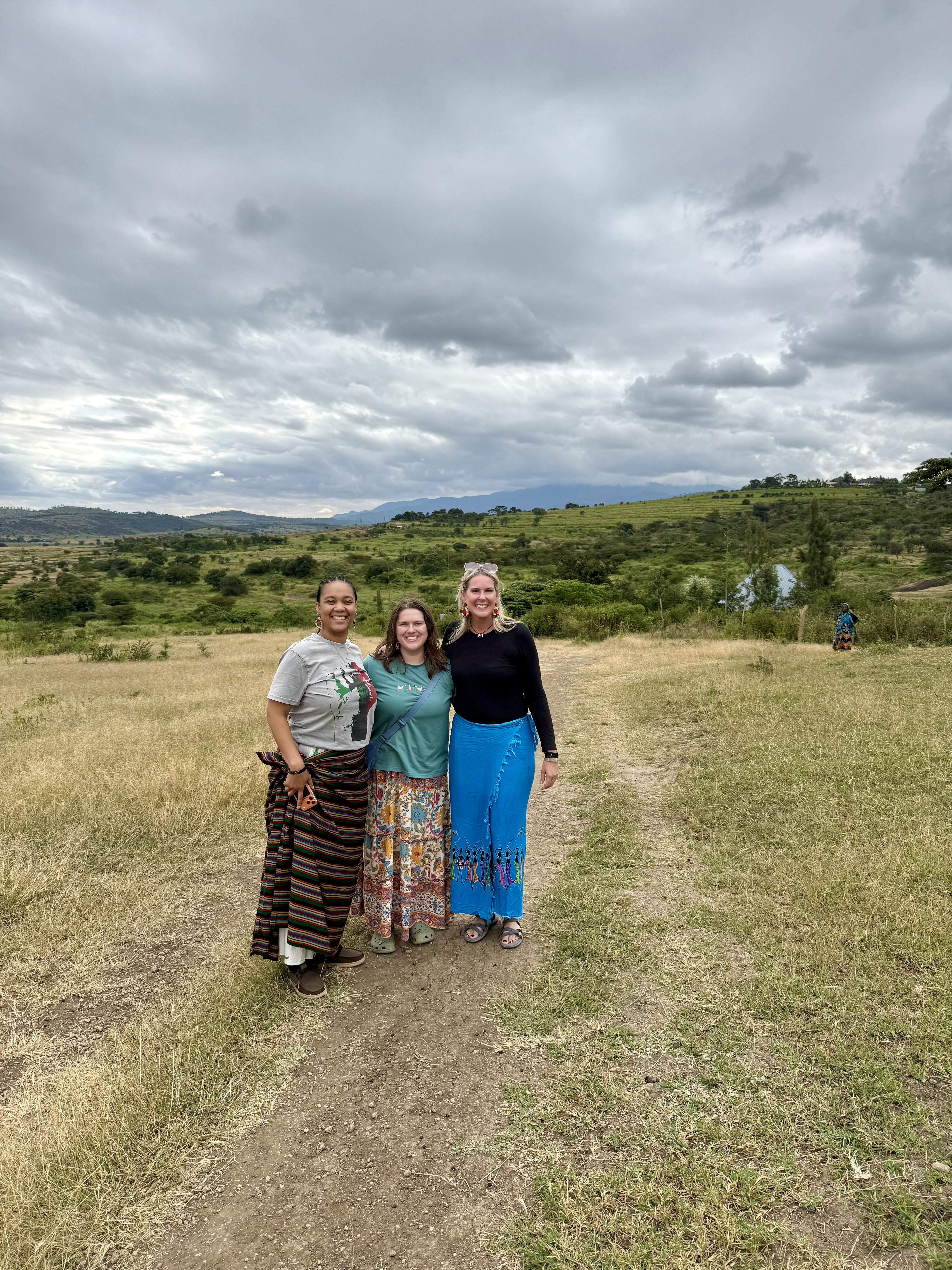
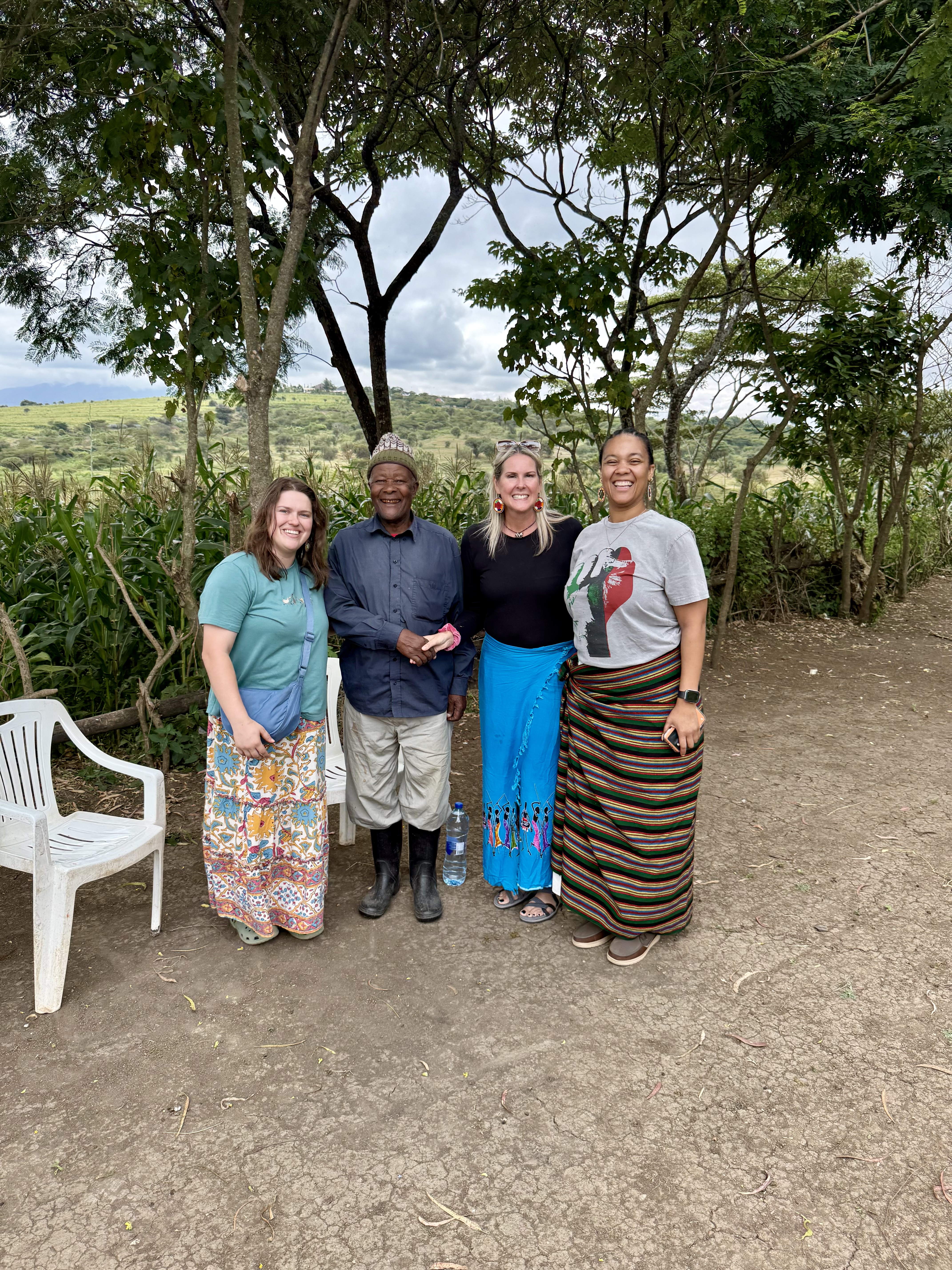
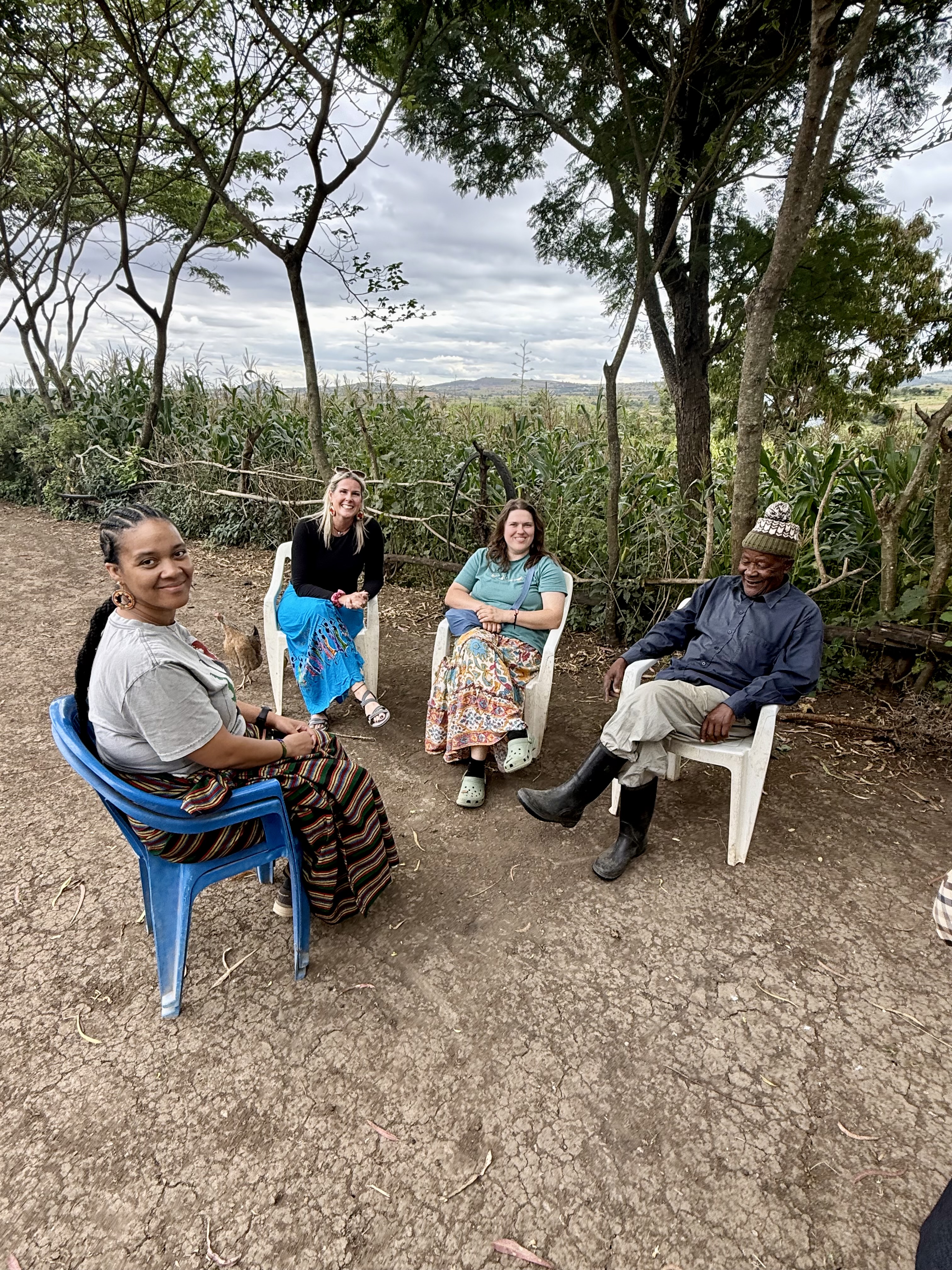
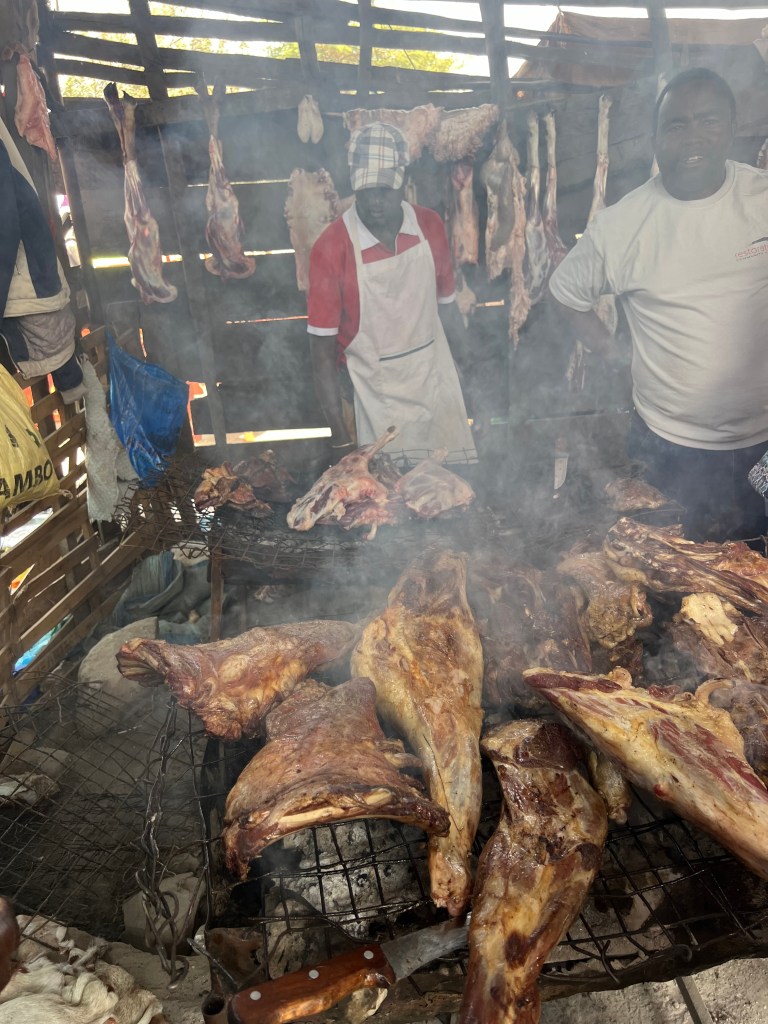
So last weekend I went to the “after party” for a distant relative of my best friend, Langoi. I asked him earlier in the week what I should wear or how I should dress (IYKYK), and he responded, “It doesn’t matter, Even Maasai.” By that, I knew I should dress as a proper Maasai woman in one of my best Maasai dresses. On the way there, he told me that he chipped in a “small cow” to the party, so we could eat and drink as much as we liked. Apparently, if you don’t chip in something, you don’t get to eat. The more you donate, the better your experience. I asked if I should donate something when I got there, and he told me I was an honored guest, and I was fine. When we arrived, we chose our place to sit, meaning under which tree and with which group of men we were going to sit. I honestly am not sure where the women sit, but I know it isn’t with the men during this part of the party. I have been to other parties where the women sit somewhat parallel to the men as they are not supposed to be in the same circles, but (as they say) “the rules don’t apply to me”. I’m not sure exactly why that is, but I think it has something to do with the fact that I’m American and also an “elder”. At any rate, we enjoyed goat, beef stew with chips (French fries), pilau, soda, beer, and wine. Eating goat is truly an experience. They place a portion of meat onto a large skewer which they then stick into the ground. Every Maasai carries a knife or machete which they use to carve the meat into bite-sized pieces and pass them to you while you sit in a circle. Depending on how large the circle is, there may be two or three smaller circles. Once the meat is finished (in this case anyway), we asked for some pilau. One of our friends was cooking it, so Langoi called him, and Baracka sent a large bowl right over. After the pilau, buckets of beef stew and either rice or chips was eaten with it. This was my only meal that day, and believe me, it was more than enough!
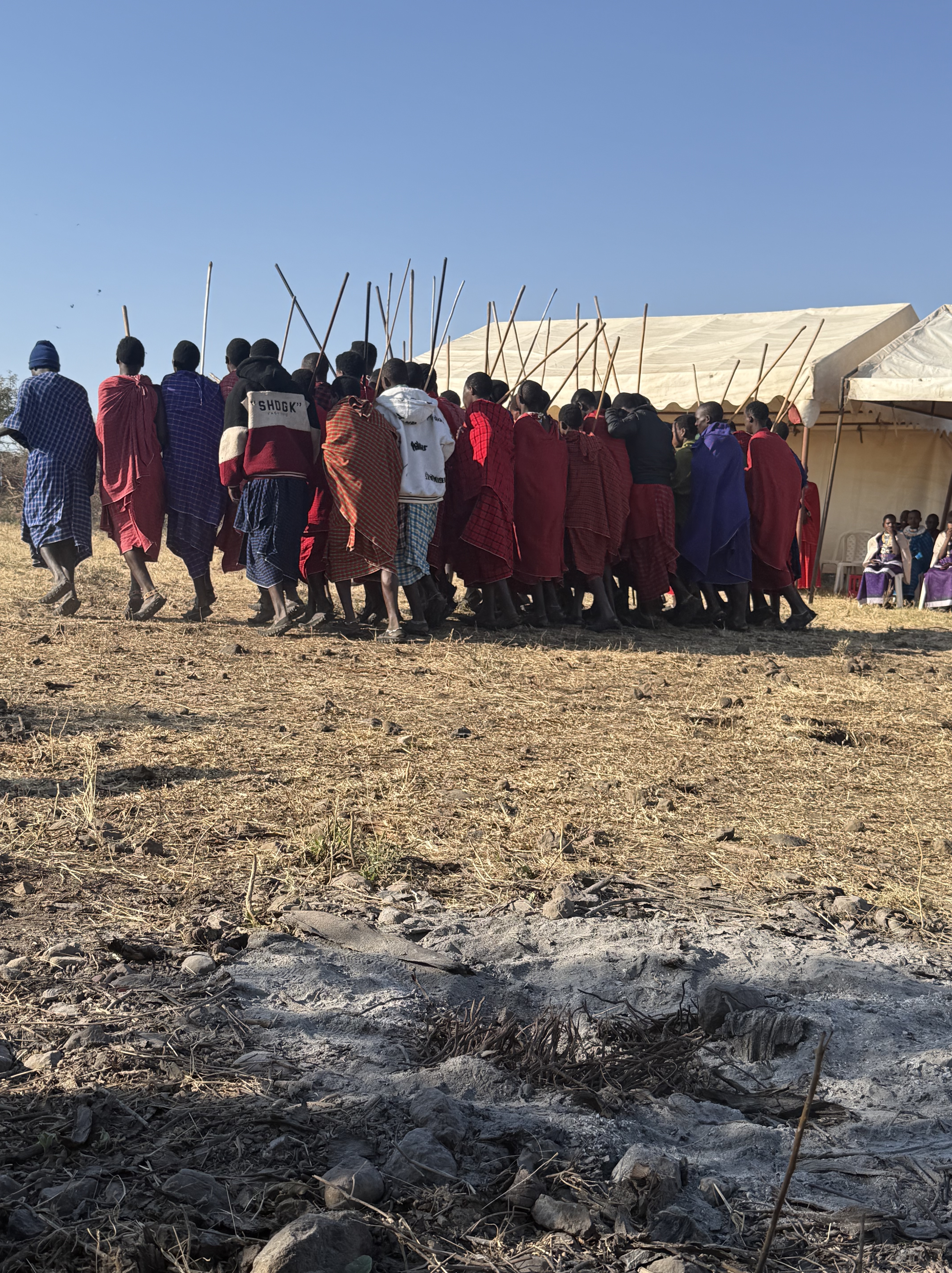
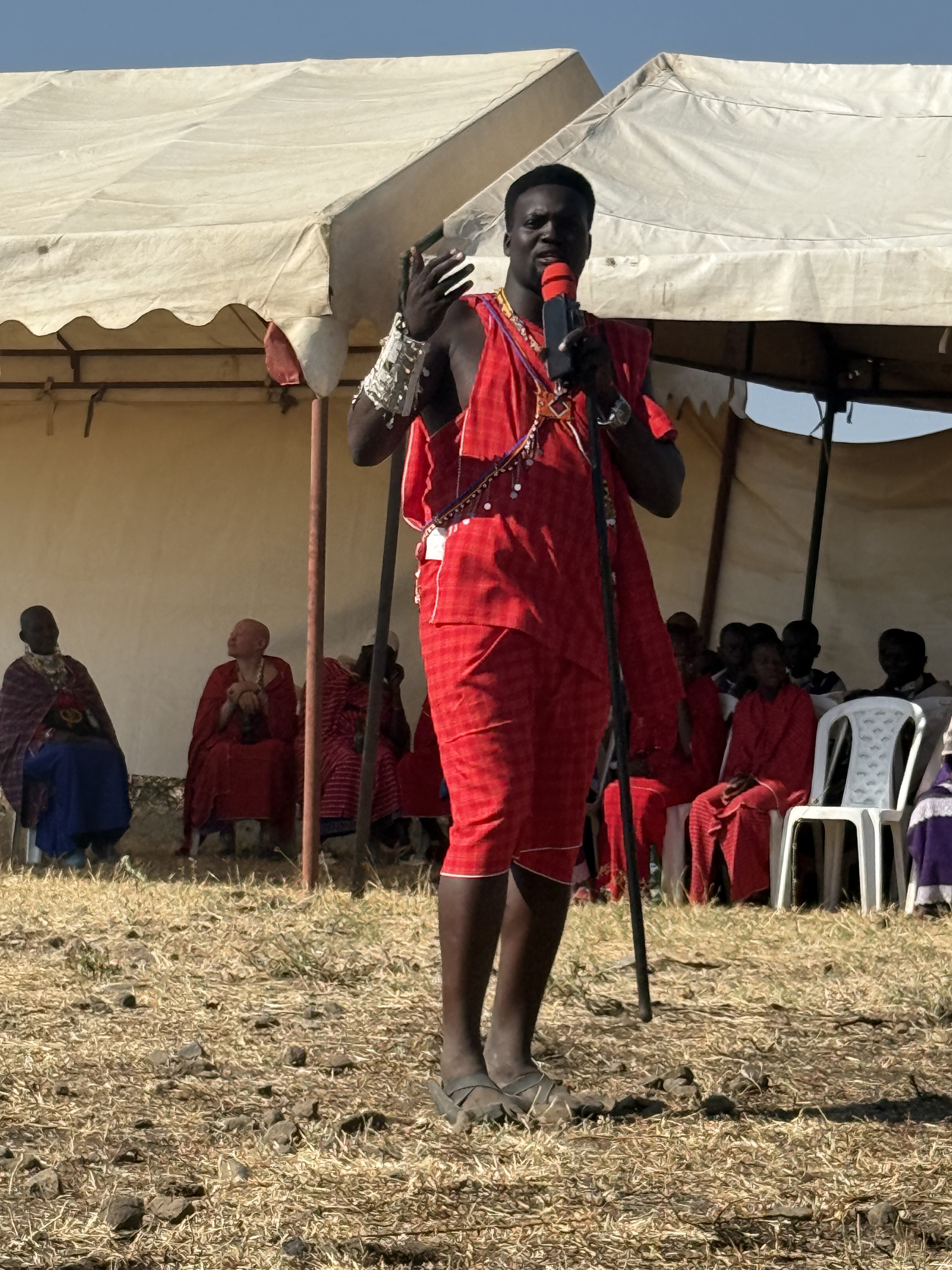
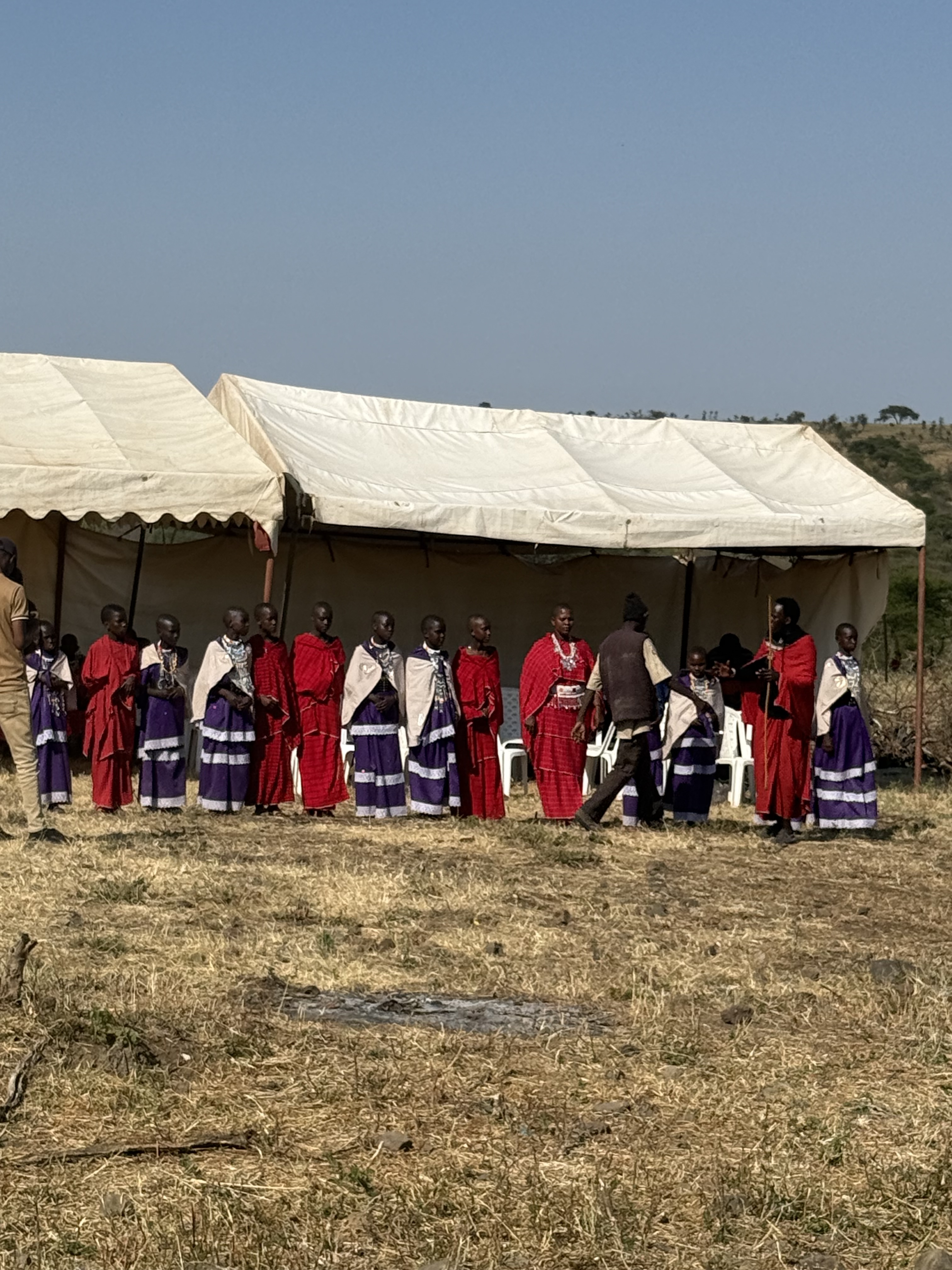
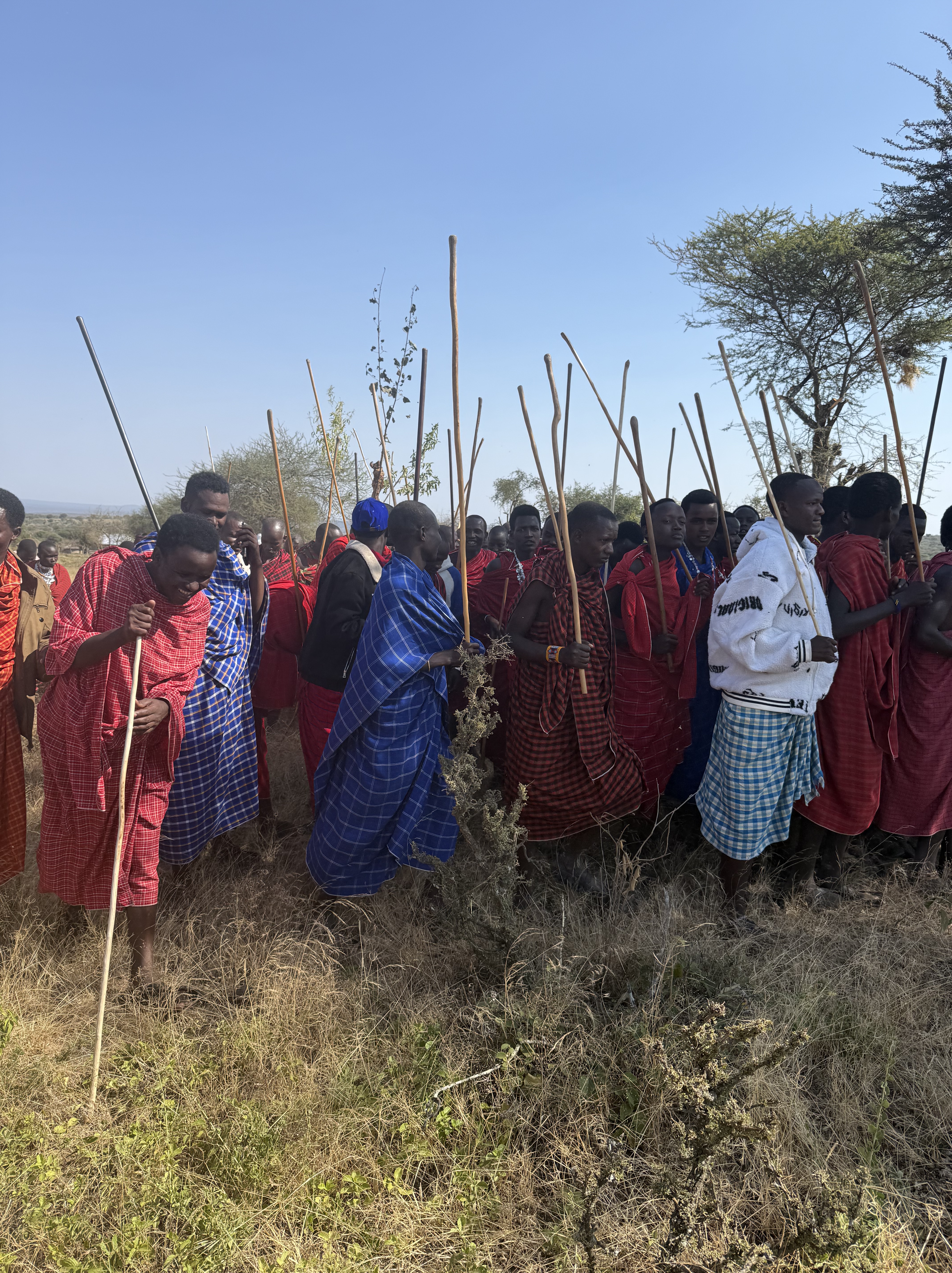
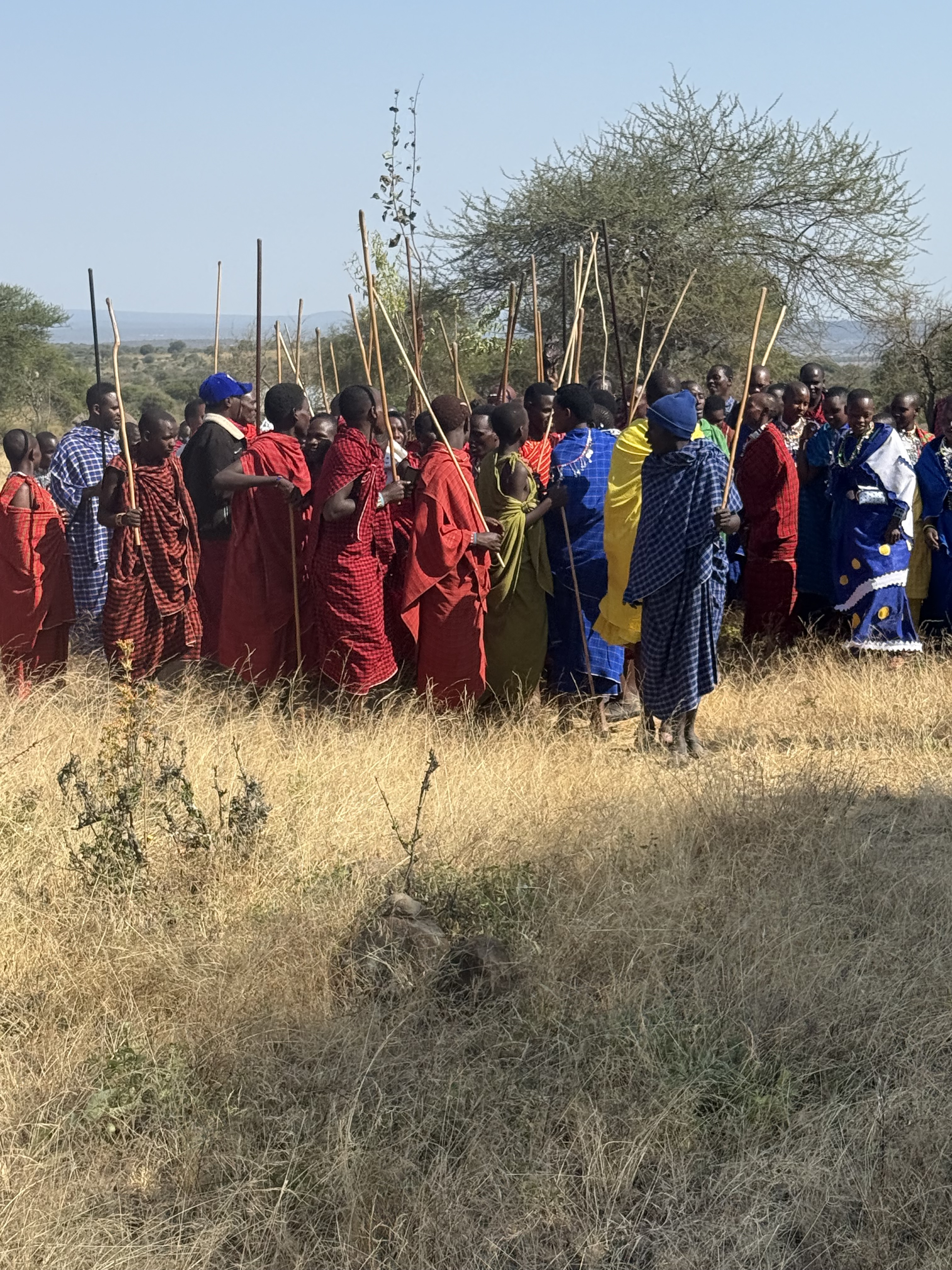
After the food was consumed, it was time to watch the dancing. Traditionally, there is a sort of “dance-off” between the men and the women to see who will win the meat. Everything comes back to cattle with the Maasai. We followed the dancers around, and the men eventually won, bringing the meat back to the circle and then taking it into the boma for the newly circumcised. There was other dancing and singing and a master of ceremonies who was leading the entertainment. He was kind enough to translate certain things into English for me and even told me I “looked smart” (which in this culture doesn’t mean intelligence although that certainly plays a part in it) and told the audience they should invite me to all of their parties. He also said something that made everyone laugh, so I’m sure it was vulgar at my expense, but it was all in good fun. We had a great time, and I am truly honored that I was invited to attend.